China's Innovative Gene Therapy Approved for Market
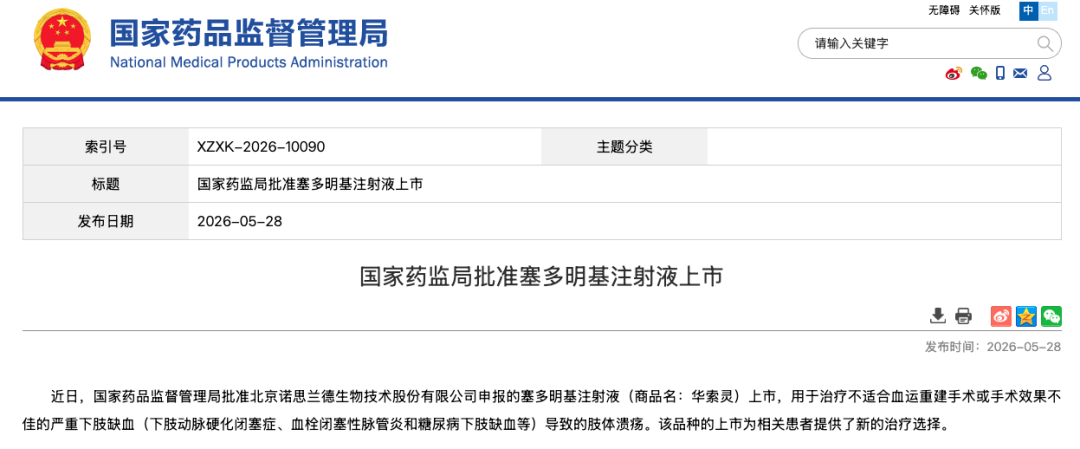
On May 28, 2026, China’s National Medical Products Administration (NMPA) officially approved Donaperminogene seltoplasmid injection, a Class 1 innovative drug developed by Beijing Northland Biotech Co., Ltd., for the treatment of ulcers caused by Critical Limb Ischemia (CLI).
This approval marks the official clinical launch of China’s first gene therapy indicated for CLI and represents a major milestone in the country’s rapidly advancing gene therapy sector.
For patients with Critical Limb Ischemia who have long lacked effective therapeutic options, the approval of Donaperminogene seltoplasmid offers a promising new treatment pathway and has attracted growing attention from vascular surgery, regenerative medicine, and biotechnology communities worldwide.
As a China pharmaceutical wholesaler continuously tracking developments in innovative medicines, DengYueMed closely follows emerging therapies across gene therapy, cell therapy, oncology, and rare diseases.
What Is Critical Limb Ischemia (CLI)?
Critical Limb Ischemia (CLI) is one of the most severe manifestations of Peripheral Artery Disease (PAD).
Patients commonly experience:
- Persistent ischemic pain
- Lower limb ulcers
- Tissue necrosis
- Increased risk of infection
- High risk of amputation
CLI is considered one of the highest-risk conditions in vascular surgery.
For many patients, conventional revascularization procedures fail to provide satisfactory outcomes because of poor vascular conditions, disease complexity, or limited postoperative efficacy.
Approximately 20% of CLI patients are not suitable candidates for surgical intervention and can only receive conservative treatment, creating significant unmet medical needs.

What Is Donaperminogene Seltoplasmid?
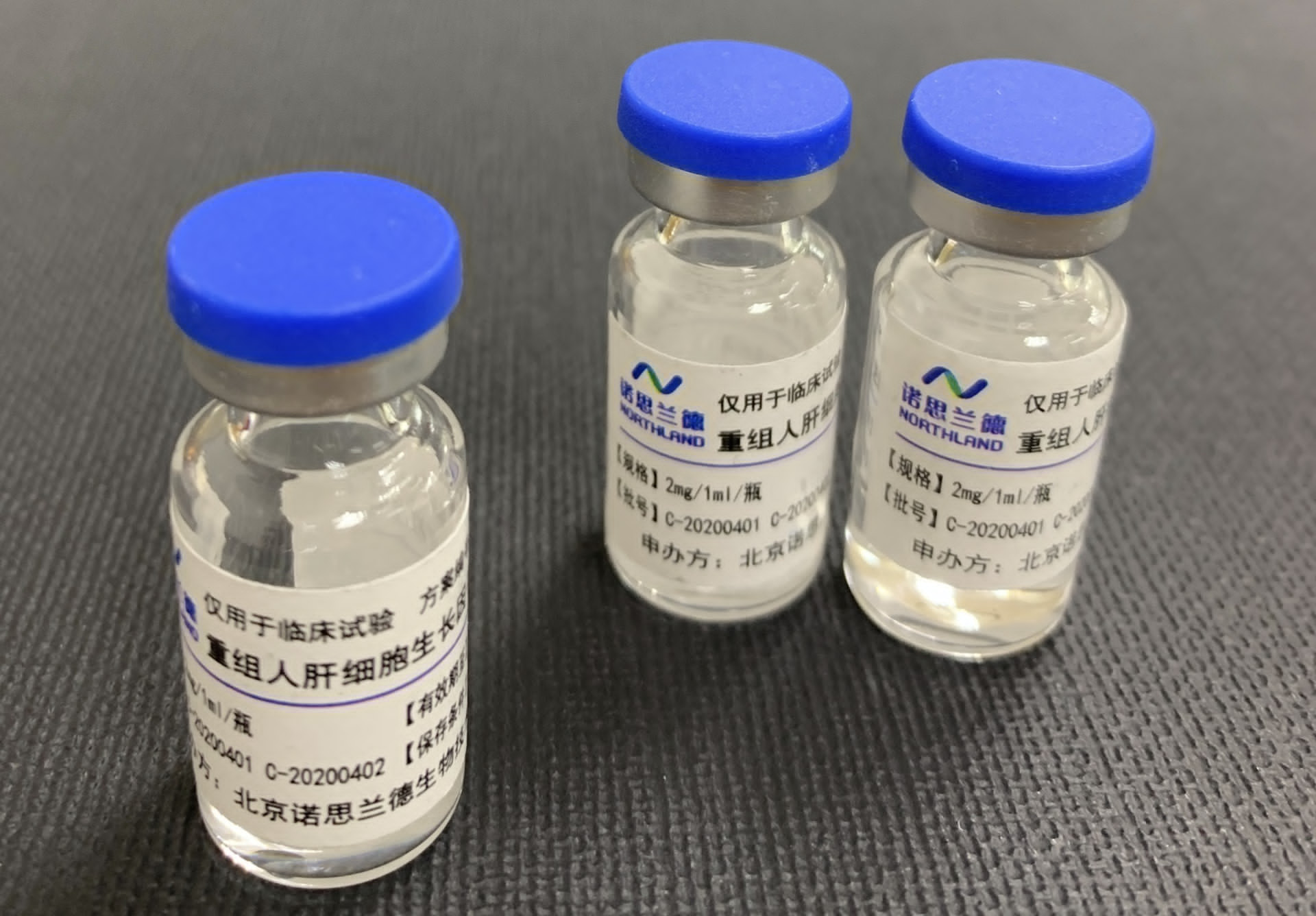
Donaperminogene seltoplasmid injection is a novel naked plasmid DNA-based gene therapy administered through intramuscular injection.
The therapy enables skeletal muscle cells to express and continuously secrete active hepatocyte growth factor (HGF), promoting therapeutic angiogenesis.
Core Mechanisms
- Activates the HGF/C-MET signaling pathway
- Promotes microvascular formation
- Improves the local ischemic microenvironment
- Establishes collateral circulation
- Restores blood supply to ischemic tissues
Unlike conventional therapies that mainly relieve symptoms, Donaperminogene seltoplasmid directly targets the underlying ischemic pathology by stimulating blood vessel regeneration.
In addition, the therapy utilizes a naked plasmid platform, potentially reducing risks associated with viral-vector gene therapies.
Phase III Clinical Results Demonstrated Significant Benefits
The approval was supported primarily by positive results from the Phase III clinical study HOPE-CLTI-2.
Led by Peking Union Medical College Hospital, the trial involved 23 vascular surgery centers across China and enrolled 242 patients with ischemic ulcers.
Study Design
- Multicenter
- Randomized
- Double-blind
- Placebo-controlled
Significant Improvement in Complete Ulcer Healing
At Day 180:
| Group | Complete Healing Rate |
|---|---|
| Donaperminogene seltoplasmid | 43.5% |
| Placebo | 18.5% |
The therapy demonstrated a substantial therapeutic advantage over placebo.
Significant Reduction in Major Amputation Risk
| Group | Major Amputation Rate |
|---|---|
| Donaperminogene seltoplasmid | 1.9% |
| Placebo | 8.8% |
The study reported approximately an 87% reduction in the combined risk of amputation and death (HR=0.13).
Favorable Safety Profile
Clinical findings showed:
- No drug-related serious adverse events
- Mostly mild local injection-site reactions
- Several safety indicators numerically lower than placebo
These results have strengthened confidence in the therapy’s long-term clinical value.
A Major Milestone for China’s Gene Therapy Industry
The approval of Donaperminogene seltoplasmid represents more than a new treatment option for CLI.
It also highlights the continued maturation of China’s innovative biotechnology sector.
In recent years, Chinese pharmaceutical companies have significantly expanded investments in:
- Gene therapy
- Cell therapy
- RNA therapeutics
- Regenerative medicine
- Nucleic acid delivery technologies
The development timeline reflects the industry’s long-term commitment:
| Milestone | Timeline |
|---|---|
| Clinical development initiated | 2006 |
| NDA submission | 2024 |
| NMPA approval | 2026 |
This 20-year journey underscores the persistence and technological accumulation behind China’s innovative drug development ecosystem.
CLI Market Competition Landscape
Donaperminogene seltoplasmid has become the first and only approved innovative therapy specifically indicated for CLI in China.
Although Humanwell Healthcare previously submitted a similar HGF-based therapy candidate, pUDK-HGF, regulatory approval was not obtained.
According to publicly available information:
- Only a handful of CLI programs remain under clinical development in China
- Most competing candidates are still in Phase II studies
- No direct competitors are expected to enter the market soon
This suggests:
- Limited near-term competition
- Significant unmet clinical demand
- Strong commercial positioning for Donaperminogene seltoplasmid
With aging populations, diabetes prevalence, and peripheral vascular disease incidence continuing to rise, demand for effective CLI therapies is expected to grow substantially.
Growing Global Interest in Commercialized Gene Therapies
As more advanced therapies reach commercialization, global healthcare stakeholders are paying increasing attention to:
- Chinese innovative medicines
- Commercialized gene therapy products
- Clinical development updates
- Pharmaceutical supply chain management
- Compliant cross-border pharmaceutical services
For overseas medical institutions, research organizations, and pharmaceutical procurement partners, understanding China’s rapidly evolving innovative drug landscape is becoming increasingly important.
Conclusion
The approval of Donaperminogene seltoplasmid marks the beginning of a new era for Critical Limb Ischemia treatment in China.
By addressing a major unmet clinical need and demonstrating the potential of therapeutic angiogenesis, this innovative gene therapy provides new hope for patients facing severe ischemic disease and amputation risks.
At the same time, the approval highlights the growing maturity and global relevance of China’s gene therapy industry.
As more advanced therapies move toward commercialization, China is expected to play an increasingly important role in the global innovative pharmaceutical market.
DengYueMed will continue monitoring developments in Chinese innovative medicines, oncology drugs, rare disease therapies, gene therapies, and biotechnology breakthroughs while providing pharmaceutical information and resource connection services for international markets.
Related Posts
- New Drug for Biliary Tract Cancer! A Japanese Innovation Enters China, Adding a New Variable to the Global FGFR Landscape
- Global Accessibility of Spinal Muscular Atrophy (SMA) Treatment: Current Status Analysis
- New Treatment Option for Non-Radiographic Axial Spondyloarthritis: Innovative Drug Ivarmacitinib Approved for This Indication