From Precision Medicine to CAR-T: Why Are China’s JCI Cancer Hospitals Attracting Increasing Global Attention?
Introduction
As precision medicine becomes the global standard in cancer treatment and CAR-T cell therapy continues to break through the limitations of advanced cancer care, China’s JCI-accredited cancer hospitals are emerging as preferred destinations for international patients seeking cross-border medical treatment.
With internationally aligned medical expertise and cost-effective healthcare services, these hospitals are gaining growing recognition worldwide.
JCI (Joint Commission International) is regarded as the global gold standard for healthcare quality and patient safety.
A JCI accreditation indicates that a hospital has achieved internationally recognized standards in diagnosis, treatment, safety management, and patient-centered care.
In recent years, the number of international patients choosing China’s JCI cancer hospitals has grown steadily, with patients arriving from:
- Southeast Asia
- Central Asia
- Europe
- North America
Many patients choose China because Chinese JCI hospitals can provide precision oncology and innovative therapies comparable to leading Western medical centers while also addressing concerns such as:
- High treatment costs
- Long waiting times
- Limited treatment accessibility
China is gradually reshaping the perception that high-quality cancer care can only be found in Europe or the United States.
Precision Medicine: Building International Trust Through Personalized Cancer Care
One of the core strengths of China’s JCI cancer hospitals is precision medicine.
These hospitals have introduced internationally advanced diagnostic technologies, including:
- Genomic sequencing
- High-end imaging systems
- Molecular pathology platforms
- AI-assisted diagnostic technologies
Physicians follow international oncology guidelines and combine:
- Genetic testing results
- Tumor staging
- Biomarker analysis
- Patient-specific conditions
to create personalized treatment plans involving:
- Targeted therapy
- Immunotherapy
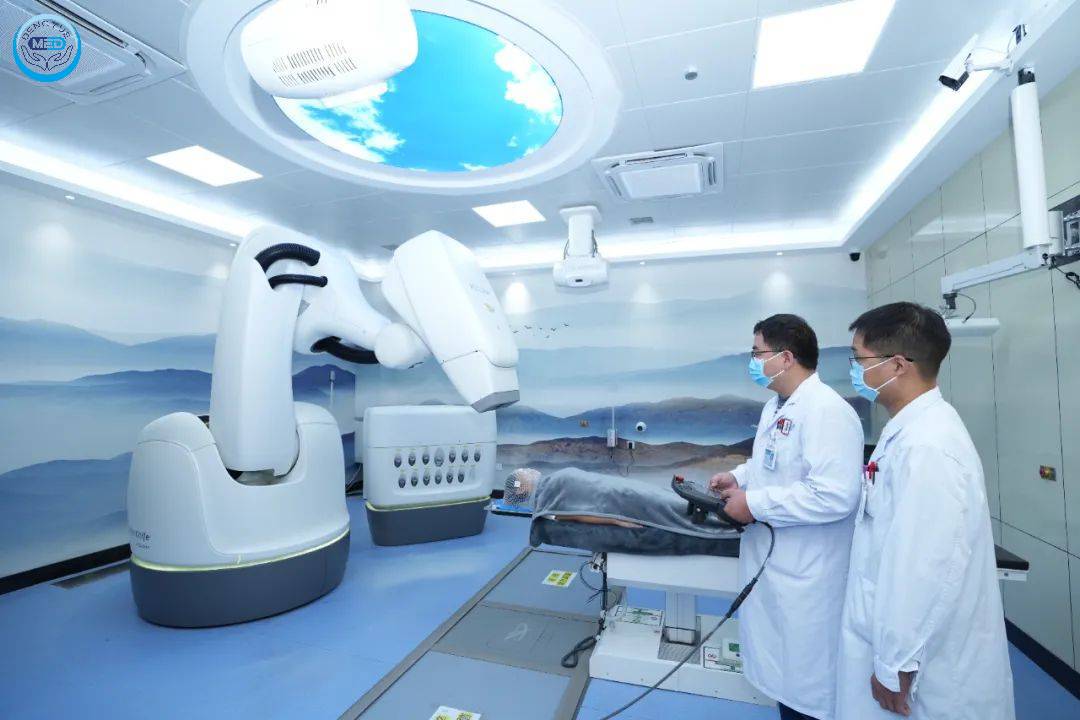
- Precision radiotherapy
- Multidisciplinary oncology management
China’s JCI cancer hospitals have developed mature precision treatment systems for common cancers such as:
- Lung cancer
- Breast cancer
- Liver cancer
- Colorectal cancer
Targeted therapies have significantly improved survival outcomes for advanced lung cancer patients, with median survival extending to 2–3 years in many cases.
These outcomes are increasingly comparable to those achieved in leading Western cancer centers.
As a representative JCI cancer hospital in South China, Guangzhou RoyalLee Cancer Hospital is an international tertiary cancer hospital accredited by JCI.
The hospital focuses on comprehensive cancer management throughout the entire treatment journey.
Equipped with advanced imaging systems and multidisciplinary treatment platforms, it provides personalized oncology solutions and has already served patients from multiple countries and regions.
For international patients or families planning treatment at Guangzhou RoyalLee Cancer Hospital, assistance with:
- Appointment scheduling
- Medical record submission
- Treatment coordination
can be obtained through DengYueMed, helping patients navigate the medical process more efficiently.
CAR-T Therapy: New Hope for Advanced Cancer Patients
If precision medicine forms the foundation of China’s oncology advancement, CAR-T cell therapy represents one of its most important breakthroughs.
CAR-T therapy is one of the world’s most advanced cancer treatments and is primarily used for:
- Relapsed lymphoma
- Refractory leukemia
- Multiple myeloma
- Certain hematologic malignancies
In some cases, objective response rates exceed 60%, offering new hope to patients with advanced cancers.
China’s JCI cancer hospitals have rapidly expanded CAR-T clinical applications, keeping pace with leading Western medical centers and achieving breakthroughs in several areas.
China now accounts for a significant proportion of global cell therapy clinical trials and has become one of the most active regions in CAR-T innovation.
Many Chinese JCI hospitals routinely provide CAR-T therapy for diseases such as:
- Diffuse Large B-Cell Lymphoma (DLBCL)
- Acute Lymphoblastic Leukemia (ALL)
- Multiple Myeloma (MM)
Importantly, treatment costs are often substantially lower than those in Europe or the United States, significantly reducing the financial burden on international patients.
In addition to CAR-T therapy, Guangzhou RoyalLee Cancer Hospital is actively developing innovative treatment programs through strategic cooperation with Shenzhen Cell Valley, aiming to establish international cell therapy channels and expand future CAR-T services.
The hospital also provides advanced minimally invasive treatments such as:
- Y-90 microsphere therapy
- Proton therapy
- NanoKnife treatment
- Cryoablation therapies
These technologies help create a diversified cancer treatment system tailored to different patient needs.
Key Strengths of China’s JCI Cancer Hospitals
China’s JCI cancer hospitals have several important advantages in innovative oncology technologies:
- Internationally synchronized technologies such as CAR-T and proton therapy
- Mature clinical experience with standardized treatment protocols
- Significant cost advantages compared with Western countries
- Strong research capabilities and international clinical collaborations
- Growing international patient service systems
International Standardized Services: Solving Cross-Border Healthcare Challenges
For international patients, treatment quality is only part of the equation.
Communication barriers, insurance coordination, and logistical support are also critical concerns.
China’s JCI cancer hospitals follow international service standards and have developed patient-centered systems tailored to overseas patients.
Most JCI hospitals provide:
- Multilingual medical teams
- Professional interpreters
- International medical departments
- Overseas patient coordinators
Guangzhou RoyalLee Cancer Hospital offers multilingual support services, ensuring smoother communication throughout the treatment journey.
Many hospitals also provide:
- English medical reports
- International insurance coordination
- Direct billing support
- Remote consultation systems
Compared with long waiting periods in some Western countries, China’s JCI hospitals can often complete:
- Screening
- Diagnosis
- Treatment planning
within a relatively short period while adhering to strict JCI patient safety standards.
Based on international patient experiences, the main service advantages include:
- Comprehensive multilingual support
- Full cross-border medical coordination services
- Efficient treatment processes
- International-standard patient safety management
Strong Momentum and Future Growth
China’s JCI cancer hospitals have developed growing international competitiveness.
Although challenges remain, including:
- Delays in access to certain overseas cancer drugs
- Further optimization of international referral systems
- Expansion of global insurance compatibility
China’s ongoing medical internationalization is steadily improving these areas.
The Chinese government is accelerating approval pathways for innovative therapies while encouraging deeper collaboration between Chinese JCI hospitals and leading global cancer centers.
At the same time, investment in:
- Precision medicine
- CAR-T technologies
- Cell therapy
- Oncology AI systems
continues to grow rapidly.
Leveraging its strategic location in the Greater Bay Area, Guangzhou RoyalLee Cancer Hospital is working to build an international oncology and healthcare hub integrating:
- Cancer treatment
- Rehabilitation
- Wellness services
- International patient management
Recommendations for International Patients
For international patients considering treatment in China, several practical recommendations include:
- Choosing JCI hospitals with strong oncology specialization
- Preparing complete pathology reports and imaging data
- Organizing genetic testing information in advance
- Contacting international medical departments early
- Confirming insurance and translation arrangements beforehand
Conclusion
From precision medicine to CAR-T therapy, and from international-standard services to cost-effective healthcare, China’s JCI cancer hospitals are becoming increasingly important destinations for global cancer patients seeking advanced treatment.
The rise of institutions such as Guangzhou RoyalLee Cancer Hospital has further strengthened China’s international oncology ecosystem and expanded treatment options for overseas patients.
More and more international patient experiences demonstrate that China’s JCI hospitals can provide cancer care comparable to Western medical centers while offering:
- Greater affordability
- Faster treatment access
- Comprehensive international services
As China’s medical internationalization continues to advance, the global influence of Chinese JCI cancer hospitals will likely continue to grow, showcasing both the strength and compassion of China’s healthcare system.
DengYueMed helps international patients connect more efficiently with high-quality JCI-accredited cancer hospitals and medical resources across China.
Related Posts
- A New Option in Targeted Biologic Therapy: Clinical Insights into Guselkumab Injection
- Chinese HER2 Bispecific Antibody + PD-1 Combination Approved in the U.S. for Gastroesophageal Adenocarcinoma, Advancing to the Forefront of Global Oncology
- The 30-Year Chemotherapy Standard Faces a New Challenge: China's PD-1 Serplulimab Breaks New Ground in Gastric Cancer Treatment