Counterfeit Cancer Drugs Seized Worldwide as WHO Issues Medical Product Alert
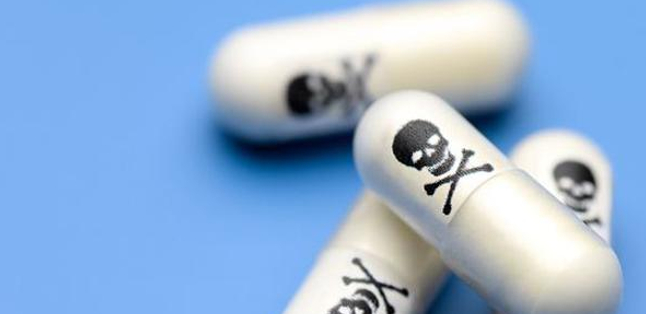
Recent coordinated law enforcement operations across multiple countries have uncovered large quantities of highly sophisticated counterfeit cancer medicines, involving key treatments for high-incidence cancers such as lung cancer and breast cancer. These counterfeit products were distributed through cross-border supply chains, online platforms, and physical pharmacies, affecting more than a dozen countries across Asia, Africa, and Europe.
Last year, the World Health Organization (WHO) issued its seventh Medical Product Alert, identifying specific counterfeit product batches, affected distribution regions, and associated life-threatening risks. The WHO simultaneously activated a global pharmaceutical safety verification mechanism to prevent counterfeit cancer drugs from reaching clinical settings and endangering patients’ lives.
Counterfeit Drugs Involved Critical Oncology Treatments
The counterfeit medicines identified in this operation primarily involved two essential oncology therapies:
- Imfinzi® (Durvalumab) Injection (500 mg/10 mL), developed by AstraZeneca, widely used in the treatment of non-small cell lung cancer and other solid tumors.
- Ibrance® (Palbociclib) Capsules, manufactured by Pfizer, a key targeted therapy for advanced breast cancer.
Laboratory analysis conducted by the original manufacturers confirmed that all counterfeit products contained no active pharmaceutical ingredients whatsoever. Although some counterfeit packages closely imitated authentic batch numbers and external packaging, investigators identified several warning signs, including abnormal capsule colors, blurred printing, and missing anti-counterfeiting features.
Widespread Cross-Border Distribution Triggers International Warnings
The circulation of counterfeit cancer drugs has demonstrated three notable characteristics: extensive geographic reach, concealed distribution channels, and high levels of product imitation.
Counterfeit products have been detected in Côte d’Ivoire, Egypt, Lebanon, Libya, Türkiye, India, Pakistan, Uzbekistan, and several other countries. In some cases, these products infiltrated legitimate pharmacies and regulated supply chains. Cross-border purchasing services, unauthorized distributors, and online sales channels have become major routes for distribution.
According to law enforcement investigations, the enormous profit margins associated with counterfeit medicines are the primary driver behind the expansion of these criminal networks. While genuine cancer therapies often cost thousands of dollars per treatment cycle, counterfeit products can be manufactured at a fraction of the cost, generating profit margins exceeding one hundred times the production expense.
Criminal organizations have established sophisticated illegal supply chains involving underground manufacturing facilities, cross-border logistics operations, and both online and offline distribution networks, supplying counterfeit medicines to more than 100 countries worldwide and posing a serious threat to global pharmaceutical security.
WHO Warning: Counterfeit Medicines May Lead to Treatment Failure and Death
The WHO has emphasized that counterfeit cancer medicines lacking active ingredients provide no therapeutic benefit. Patients who unknowingly use such products face a significant risk of treatment failure, accelerated disease progression, and potentially fatal delays in receiving appropriate medical care.
Clinical reports from several countries have documented cases in which patients experienced sudden disease deterioration and poor response to subsequent treatment after exposure to counterfeit medicines.
To contain the growing threat, the WHO has issued urgent notifications to all 194 Member States, requesting national regulatory authorities to conduct immediate investigations into oncology drug supply chains, particularly focusing on affected product batches and distribution routes.
The organization also urges healthcare institutions, pharmacies, and the public to obtain medicines exclusively through authorized channels, carefully verify packaging details, batch numbers, and anti-counterfeiting features, and promptly report any suspicious products to regulatory authorities.
Why Counterfeit Oncology Drugs Are Increasing Globally
Several structural factors are accelerating the expansion of counterfeit cancer medicines worldwide:
1. Extremely High Drug Prices
Modern oncology therapies often cost thousands or even tens of thousands of dollars per treatment cycle, creating strong incentives for patients to seek lower-cost alternatives.
2. Cross-Border Pharmaceutical Trade Expansion
International medicine purchasing channels have rapidly expanded through:
- Cross-border distributors
- Social media sellers
- Informal purchasing agents
- Unregulated online pharmacies
These channels are often difficult for regulators to fully monitor.
3. Supply Chain Complexity
Global pharmaceutical supply chains now involve:
- Multiple distributors
- International warehousing
- Secondary wholesalers
- Repackaging operations
Each additional layer increases the risk of counterfeit infiltration.
4. Massive Criminal Profit Incentives
Counterfeit medicines require relatively low manufacturing costs while generating extremely high illegal profits, making oncology drugs particularly attractive targets for organized criminal networks.
How Patients Can Reduce the Risk of Counterfeit Medicines
Patients and caregivers can take several important precautions:
Obtain Medicines Only Through Authorized Channels
Use:
- Licensed hospitals
- Certified pharmacies
- Authorized distributors
- Verified healthcare providers
Carefully Check Product Packaging
Warning signs may include:
- Misspelled text
- Blurred printing
- Damaged seals
- Missing anti-counterfeit labels
- Unusual capsule appearance
- Suspicious batch numbers
Be Cautious of Extremely Low Prices
If a medicine is dramatically cheaper than standard market pricing, patients should exercise caution and verify authenticity before use.
Consult Healthcare Professionals
Patients should immediately contact physicians or pharmacists if:
- Packaging appears unusual
- Side effects are unexpected
- Treatment response changes suddenly
- Product origin is unclear
DengYueMed’s Commitment to Pharmaceutical Safety
As a licensed importer and wholesaler of specialty pharmaceuticals authorized by the Hong Kong Department of Health, DengYueMed has also observed the rapid expansion of gray-market distribution channels within cross-border pharmaceutical trade. Unlicensed intermediaries frequently exploit information asymmetry to sell low-priced cancer medicines of uncertain origin.
DengYueMed supports global efforts against counterfeit medicines through:
- Working with qualified and verified pharmaceutical supply channels
- Maintaining transparent sourcing processes
- Supporting product authenticity verification
- Promoting patient education regarding medication safety
- Encouraging responsible access to innovative therapies
For patients seeking complex oncology treatments, targeted therapies, or specialty medicines, trust in the supply chain can be just as important as trust in the medicine itself.
Scientific innovation saves lives.
Ensuring that patients receive authentic medicines helps ensure those innovations can truly deliver their intended benefits.
Conclusion
The global spread of counterfeit cancer medicines highlights significant challenges, including insufficient international regulatory coordination, barriers to cross-border enforcement, and weaknesses in monitoring online pharmaceutical sales.
According to WHO estimates, approximately 10% of medical products in low- and middle-income countries are either substandard or falsified. Due to their high market value and critical clinical importance, cancer medicines have become one of the most heavily targeted categories for pharmaceutical counterfeiting worldwide.
Industry experts suggest that effectively combating counterfeit cancer drugs requires a comprehensive global governance framework based on international cooperation, full supply-chain traceability, and stringent enforcement measures:
- Strengthen the coordinating role of the WHO and promote data sharing and joint enforcement among national regulatory authorities.
- Improve pharmaceutical traceability systems to ensure complete visibility from manufacturing and distribution to end-user delivery.
- Intensify efforts against cross-border pharmaceutical counterfeiting and increase legal penalties for offenders.
- Enhance public education and awareness to improve consumers’ ability to identify counterfeit medicines and reduce market opportunities for illegal products.
As global demand for innovative oncology therapies continues to grow, ensuring drug authenticity and supply-chain transparency will remain one of the most critical challenges facing the international pharmaceutical industry.
Related Posts
- Global Accessibility of Spinal Muscular Atrophy (SMA) Treatment: Current Status Analysis
- A New Breakthrough in Colorectal Cancer ADC Therapy: Trastuzumab Rezetecan Approved for HER2-Positive Colorectal Cancer in China
- Gastric Cancer Treatment Is No Longer Just About Chemotherapy: How Precision Medicine Is Shaping the Future | A Comprehensive Guide to HER2, CLDN18.2, and FGFR2b