What Has Daraxonrasib Improved Over Traditional Treatments in Third-Line Pancreatic Cancer?
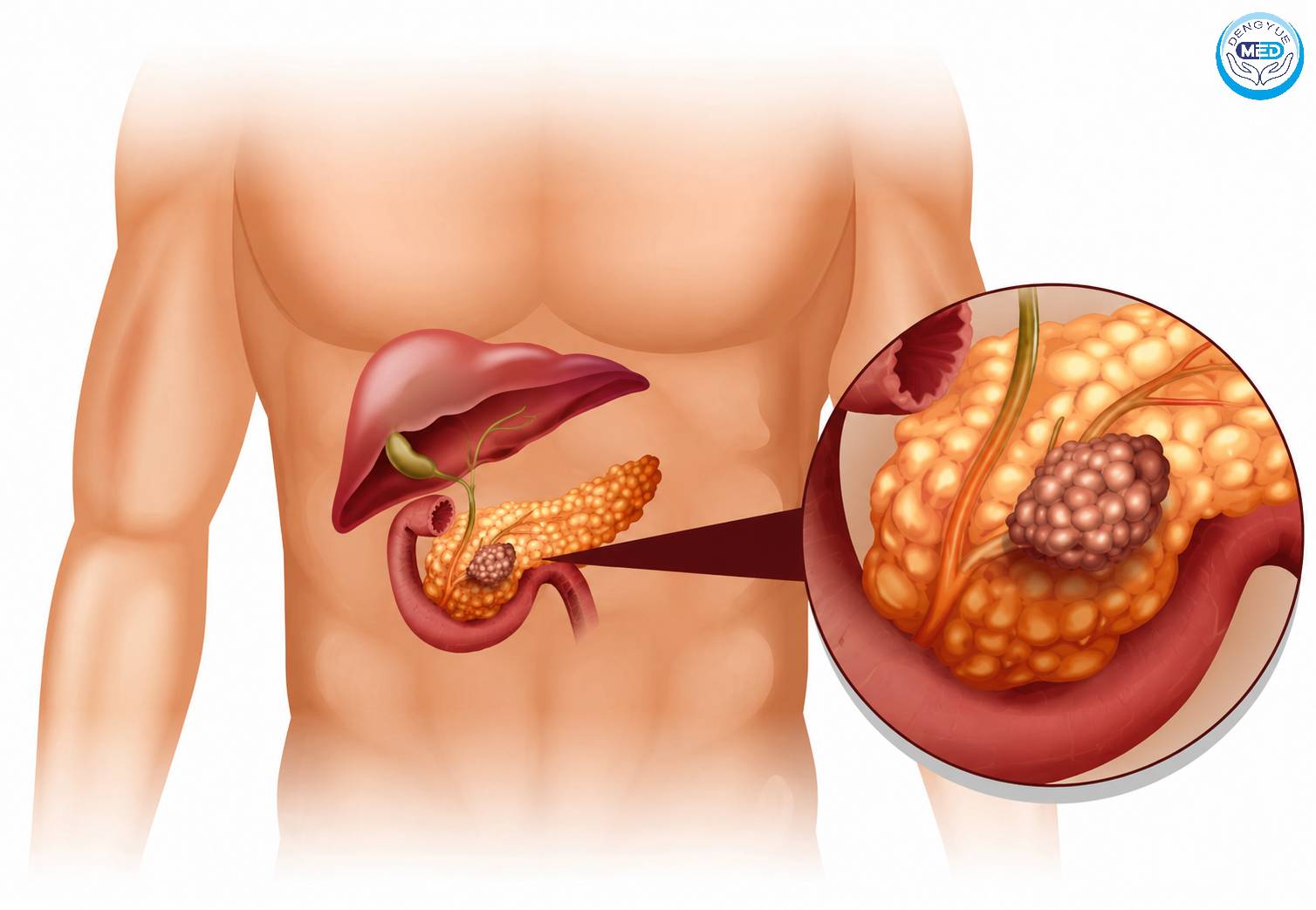
Pancreatic cancer has long been considered one of the most aggressive solid tumors and remains associated with some of the poorest survival outcomes among all malignancies. For patients with pancreatic ductal adenocarcinoma (PDAC), most cases are diagnosed at a locally advanced or metastatic stage, leaving limited treatment options. After failure of first-line and second-line therapies, patients entering third-line treatment often face a lack of effective medications, rapid disease progression, and shortened survival.
In recent years, the development of innovative therapies targeting the RAS signaling pathway has accelerated. Among them, RMC-6236 (Daraxonrasib), a next-generation pan-RAS inhibitor, has attracted significant attention across the global oncology community. Recent clinical findings reported a median overall survival (mOS) of 9.0 months in patients with RAS-mutant pancreatic cancer who had received three or more prior lines of treatment, generating considerable interest in its potential clinical impact.
What improvements does Daraxonrasib offer compared with conventional treatment approaches?
Why Is Third-Line Treatment So Challenging in Pancreatic Cancer?
For patients with advanced pancreatic cancer, standard treatment options are primarily concentrated in the first two lines of therapy. Common regimens include:
- FOLFIRINOX
- Gemcitabine combined with albumin-bound paclitaxel
- Liposomal irinotecan combined with fluorouracil-based therapy
- Other chemotherapy-based combination strategies
While some patients benefit from these treatments, tumor cells often develop resistance mechanisms as the disease progresses, leading to declining efficacy over time.
By the time patients reach third-line therapy, they frequently experience:
- Deteriorating physical condition
- Increased tumor burden
- Higher risk of treatment resistance
- Significantly fewer available therapeutic options
- Limited survival benefits
As a result, third-line pancreatic cancer remains one of the most difficult areas in oncology treatment.
Why Has KRAS Become a Key Therapeutic Target?
KRAS mutations occur in more than 90% of pancreatic cancer cases.
As a member of the RAS protein family, KRAS plays a critical role in regulating cell growth, differentiation, and survival. When KRAS becomes mutated, downstream signaling pathways remain continuously activated, driving uncontrolled tumor growth.
Common KRAS mutations include:
- KRAS G12D
- KRAS G12V
- KRAS G12R
- KRAS G12C
- KRAS G13
- KRAS Q61
For decades, RAS was widely regarded as an “undruggable target.” Although KRAS G12C inhibitors have achieved important breakthroughs in recent years, G12C mutations account for only a small proportion of pancreatic cancer cases, leaving the majority of patients without access to targeted treatment options.
This challenge has encouraged researchers to explore next-generation therapies capable of targeting a broader spectrum of RAS mutations.
Why Is Daraxonrasib Receiving Global Attention?
Daraxonrasib (RMC-6236), developed by Revolution Medicines, is a RAS(ON) multi-selective tri-complex inhibitor.
Unlike conventional KRAS G12C inhibitors that focus on a single mutation subtype, Daraxonrasib is designed to bind activated, GTP-bound RAS proteins and potentially target multiple RAS variants.
Its potential coverage includes:
- KRAS G12D
- KRAS G12V
- KRAS G12R
- KRAS G13 mutations
- KRAS Q61 mutations
- Selected NRAS mutations
- Selected HRAS mutations
This mechanism could allow a much larger population of RAS-mutant patients to benefit from targeted therapy.
From a theoretical standpoint, Daraxonrasib may cover most of the common KRAS mutations found in pancreatic cancer, making it a leading representative of the emerging pan-RAS treatment strategy.
How Does Daraxonrasib Differ From Traditional Treatment?
| Comparison Category | Traditional Chemotherapy | Daraxonrasib |
|---|---|---|
| Mechanism of Action | Broadly kills rapidly dividing cells | Precisely inhibits RAS-driven signaling |
| Target Specificity | Lower | Higher |
| Eligible Patients | Most patients | RAS-mutant patients |
| Resistance Profile | Often develops over time | Still under investigation |
| Treatment Concept | Cytotoxic therapy | Precision targeted therapy |
| Combination Potential | Relatively limited | Significant potential |
The most important distinction lies in treatment objectives.
Traditional chemotherapy primarily works by inhibiting cell division, affecting both cancerous and healthy rapidly dividing cells.
Daraxonrasib, in contrast, aims to directly interrupt the core signaling pathways responsible for tumor growth, addressing the disease at its molecular driver level.
What Does a 9-Month Median Overall Survival Mean?
In recent clinical studies, Daraxonrasib was evaluated in patients with RAS-mutant pancreatic cancer who had previously received multiple lines of therapy.
Key findings included:
- Median overall survival (mOS) of 9.0 months
- Sustained disease control in many patients
- Tumor shrinkage observed in a subset of patients
- Generally manageable safety profile
- Adverse events consistent with the drug’s mechanism of action
For some cancers, a median survival of nine months may not appear particularly remarkable. However, in the context of third-line or later treatment for RAS-mutant pancreatic cancer, these results carry considerable significance.
Several factors contribute to this importance:
- Patients have already undergone multiple prior therapies
- Tumors often exhibit substantial treatment resistance
- Available therapeutic options are extremely limited
- Overall prognosis is generally poor
Against this backdrop, any therapy capable of extending survival while maintaining disease control deserves close attention.
What Are the Key Improvements Offered by Daraxonrasib?
Broader Mutation Coverage
Earlier KRAS-targeted therapies generally focused on a single mutation subtype.
Daraxonrasib seeks to target multiple RAS mutation variants, potentially expanding access to precision treatment for a much larger patient population.
Advancing Precision Oncology in Pancreatic Cancer
For many years, pancreatic cancer treatment relied heavily on chemotherapy.
The development of pan-RAS inhibitors signals a shift toward molecularly guided treatment strategies and a more personalized approach to patient care.
Creating Opportunities for Combination Therapy
Researchers are actively exploring combinations of Daraxonrasib with other treatment modalities, including:
- PD-1/PD-L1 inhibitors
- MEK inhibitors
- Chemotherapy regimens
- Other targeted therapies
Successful combination approaches could further improve treatment outcomes in the future.
Opening the Door to the Pan-RAS Era
For decades, RAS remained one of the most challenging targets in cancer research.
The progression from KRAS G12C inhibitors to broader pan-RAS therapies such as Daraxonrasib suggests that RAS-targeted treatment is entering a new and potentially transformative stage.
What Future Directions Should Be Monitored?
Development programs for Daraxonrasib have already expanded into several RAS-driven solid tumors.
Current areas of investigation include:
- Pancreatic cancer
- Non-small cell lung cancer (NSCLC)
- Colorectal cancer
- Biliary tract cancers
- Other RAS-mutant solid tumors
Longer-term follow-up data, real-world evidence, and randomized clinical studies will be essential in further defining the drug’s clinical value.
Conclusion
Treatment options have historically been extremely limited for patients with RAS-mutant pancreatic cancer, particularly after failure of multiple lines of therapy. Overcoming treatment resistance and extending survival remain key objectives in clinical research.
As a next-generation pan-RAS inhibitor, Daraxonrasib (RMC-6236) offers the potential to address multiple RAS mutation subtypes through a single therapeutic strategy. The reported median overall survival of 9.0 months highlights its promising clinical potential and has once again placed pan-RAS therapy at the center of global oncology research.
From targeted therapy to precision medicine, and from laboratory innovation to clinical application, DengYueMed continues to follow breakthroughs in global drug development. We remain committed to sharing important advances in cancer treatment, helping more patients gain access to hope and supporting the translation of innovative therapies into clinical practice.
Disclaimer
This article is intended for informational and educational purposes only and should not be considered medical advice, diagnosis, or treatment recommendations. Patients should consult qualified healthcare professionals regarding any treatment decisions. Clinical data referenced in this article remain subject to ongoing research and regulatory review.