KRAS-Mutant Non-Small Cell Lung Cancer Treatment Advances: From G12C Inhibitors to Pan-RAS Therapies

KRAS was once considered one of the most challenging targets in oncology.
Although scientists had long recognized its critical role in driving multiple types of cancer, drug development against KRAS remained slow for decades due to the protein’s unique structural characteristics. As a result, KRAS was widely labeled an “undruggable target.”
The successful approval of KRAS G12C inhibitors has completely changed this landscape. In recent years, research efforts have expanded beyond G12C to include G12D inhibitors, pan-KRAS therapies, and pan-RAS inhibitors, making KRAS one of the hottest areas in global oncology drug development.
As a platform focused on global oncology innovation, DengYueMed has observed increasing investment from multinational pharmaceutical companies, biotechnology firms, and Chinese biotech innovators in KRAS-related programs.
Against this backdrop, the treatment landscape for KRAS-mutant non-small cell lung cancer (NSCLC) is undergoing unprecedented transformation.
What Is a KRAS Mutation?
KRAS is a key member of the RAS gene family and functions as a critical molecular switch in cellular signaling pathways.
Under normal conditions, KRAS regulates cell growth, proliferation, and survival. When KRAS becomes mutated, this switch remains permanently activated, driving uncontrolled tumor cell growth and contributing to cancer development and progression.
KRAS mutations are commonly found in a variety of solid tumors, including:
- Non-small cell lung cancer (NSCLC)
- Pancreatic cancer
- Colorectal cancer
- Biliary tract cancers
Among these, NSCLC is one of the most common cancers associated with KRAS mutations.
In Western populations, approximately 25%–35% of lung adenocarcinoma patients harbor KRAS mutations, while the prevalence in Chinese patients is estimated at 8%–15%.
With the increasing adoption of genomic testing, more patients with KRAS mutations are being identified, accelerating the development of targeted therapies.
How KRAS G12C Inhibitors Changed the Treatment Landscape
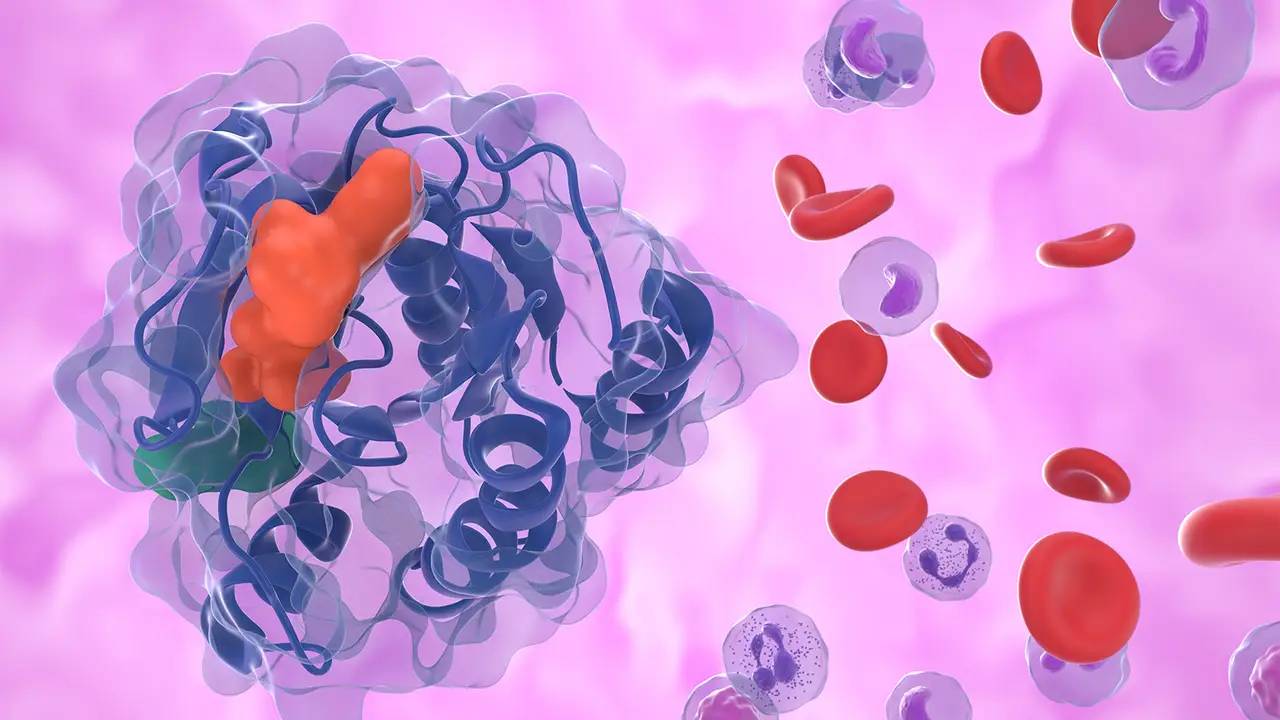
KRAS mutations are not a single entity.
Based on the amino acid substitution involved, KRAS mutations can be classified into several subtypes, including:
- G12C
- G12D
- G12V
- G13D
- Q61H
Among them, G12C has been the most extensively studied.
The reason it became the first KRAS subtype to be successfully targeted is that the mutation creates a unique cysteine residue, providing a specific binding site for drug design.
For decades, researchers were unable to develop molecules capable of effectively binding KRAS proteins. The discovery of the G12C binding pocket enabled scientists to create selective small-molecule inhibitors targeting mutant KRAS.
This breakthrough led to the development of the first KRAS-targeted therapies:
- Sotorasib
- Adagrasib
These drugs work by locking KRAS G12C proteins in their inactive state, thereby blocking downstream signaling pathways and inhibiting tumor growth.
For patients with previously treated KRAS G12C-mutant NSCLC, these therapies have demonstrated meaningful improvements in response rates and disease control, marking a major milestone in KRAS-targeted treatment.
Beyond G12C: Many Patients Still Lack Targeted Treatment Options
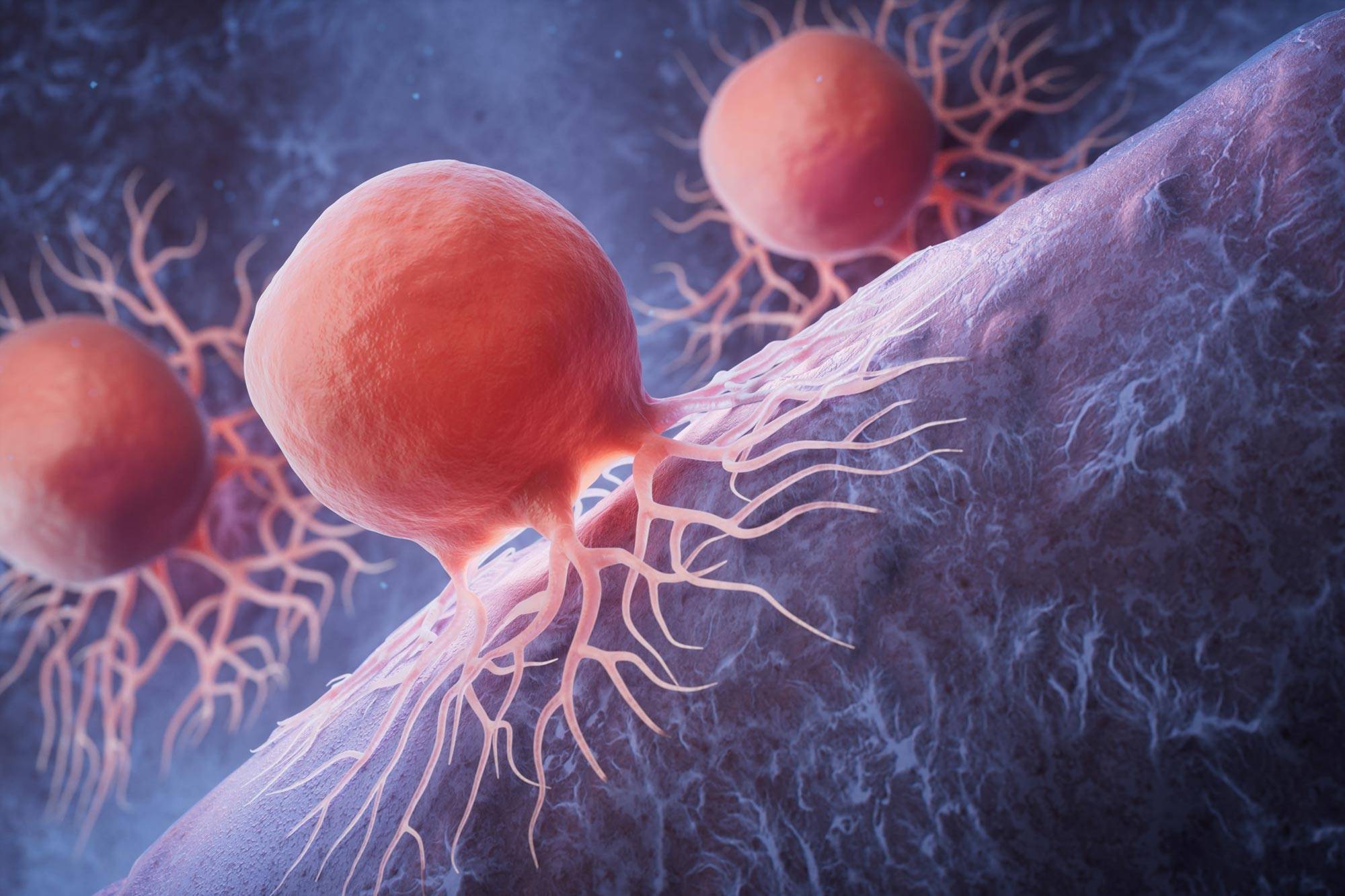
Despite the success of G12C inhibitors, an important challenge remains.
G12C represents only a subset of all KRAS mutations.
Among patients with KRAS-mutant NSCLC:
- G12C accounts for approximately 40%
- G12D accounts for approximately 20%
- G12V accounts for approximately 20%
- Other subtypes make up the remainder
This means a substantial proportion of patients are not eligible for currently available G12C-targeted therapies.
For these individuals, treatment options still primarily include:
- Immunotherapy
- Chemotherapy
- Anti-angiogenic therapy
- Combination treatment strategies
While some patients benefit from these approaches, there remains a significant unmet need for precision therapies that directly target KRAS-driven disease.
As a result, developing next-generation therapies capable of addressing a broader range of KRAS mutations has become a major focus of global oncology research.
Pan-KRAS Therapies: The Next Frontier in KRAS Targeting
To overcome the limitations of G12C inhibitors, researchers have begun developing pan-KRAS therapies.
Pan-KRAS drugs are designed to inhibit multiple KRAS mutation subtypes rather than targeting only G12C.
Ideally, pan-KRAS therapies could cover:
- G12C
- G12D
- G12V
- G13D
- Other common KRAS mutations
Compared with mutation-specific inhibitors, pan-KRAS therapies offer several potential advantages.
First, they could benefit a much larger patient population.
Rather than targeting only a subset of KRAS-mutant tumors, pan-KRAS therapies may be applicable to most KRAS-driven cancers.
Second, they may help reduce the risk of resistance caused by mutation switching or pathway adaptation.
In addition, pan-KRAS strategies may provide more durable responses in tumors characterized by significant genetic heterogeneity.
Several pan-KRAS candidates have already entered clinical development.
Among the most closely watched programs are:
- RMC-6236
- BI-2865
- LY4066434
These agents are being evaluated across multiple cancer types, including lung cancer, pancreatic cancer, and colorectal cancer.
Although widespread clinical adoption is still some distance away, early results have shown promising therapeutic potential.
From Pan-KRAS to Pan-RAS: Expanding the Target Further
As research has advanced, scientists have realized that inhibiting KRAS alone may not be sufficient to completely shut down RAS signaling.
The RAS family consists of three major members:
- KRAS
- NRAS
- HRAS
Together, these proteins regulate cell growth, proliferation, and survival.
Under treatment pressure, alternative RAS family members may become activated, allowing tumors to bypass KRAS inhibition and develop resistance.
This has led to the emergence of a new strategy: pan-RAS inhibitors.
| Therapy Type | Coverage |
|---|---|
| G12C inhibitors | Single KRAS mutation |
| Pan-KRAS therapies | Multiple KRAS mutations |
| Pan-RAS therapies | KRAS, NRAS, and HRAS |
In theory, pan-RAS inhibitors could achieve more comprehensive suppression of RAS signaling and potentially improve antitumor activity.
However, because normal cells also rely on RAS signaling for essential physiological functions, balancing efficacy and safety remains a major challenge in pan-RAS drug development.
Future Treatment Directions for KRAS-Mutant Lung Cancer
Beyond broader KRAS inhibition, combination strategies have become a major area of research.
Growing evidence suggests that KRAS inhibition alone may not be sufficient for long-term disease control, making combination approaches an important future direction.
KRAS Plus SHP2 Inhibitors
SHP2 is a key regulator of RAS signaling.
Combining KRAS and SHP2 inhibition may enhance antitumor activity and delay resistance.
KRAS Plus SOS1 Inhibitors
SOS1 plays an important role in KRAS activation.
Dual blockade may achieve deeper suppression of signaling pathways.
KRAS Plus Immunotherapy
Patients with KRAS-mutant NSCLC often exhibit higher tumor mutational burden.
As a result, combinations of KRAS inhibitors with PD-1 or PD-L1 immunotherapies have attracted significant interest.
KRAS Plus EGFR Pathway Inhibition
Reactivation of EGFR signaling has been identified as a resistance mechanism in some patients.
Combination therapy may therefore become an important future strategy.
China’s KRAS Innovation Ecosystem Is Rapidly Expanding
Historically, KRAS drug development was dominated by Western pharmaceutical companies.
In recent years, however, Chinese biotech firms have rapidly entered the field.
Multiple domestic KRAS programs are now in clinical development, including:
- KRAS G12C inhibitors
- KRAS G12D inhibitors
- SHP2 inhibitors
- SOS1 inhibitors
- Combination treatment strategies
As China’s innovation capabilities continue to grow, local companies are evolving from followers to increasingly important contributors to global KRAS drug development.
Over the coming years, Chinese innovators are expected to play a greater role in advancing both KRAS- and RAS-targeted therapies.
Conclusion
From the historic breakthrough of KRAS G12C inhibitors to the continued advancement of pan-KRAS and pan-RAS therapies, KRAS-mutant NSCLC has entered a new era of precision oncology.
Many of these next-generation therapies are still in clinical development or undergoing regulatory review in different regions around the world. For patients and caregivers interested in emerging treatment options, staying informed about global research progress, drug approvals, and clinical trial developments is becoming increasingly important.
Global pharmaceutical distributor DengYueMed will continue to monitor key developments in KRAS, pan-KRAS, and pan-RAS research while sharing information on innovative therapies, drug accessibility, and patient education to help individuals better understand the rapidly evolving treatment landscape.
Related Posts
- New Drug for Biliary Tract Cancer! A Japanese Innovation Enters China, Adding a New Variable to the Global FGFR Landscape
- Sevabertinib for HER2-Mutant NSCLC in China: A New Targeted Treatment Option
- Gastric Cancer Treatment Is No Longer Just About Chemotherapy: How Precision Medicine Is Shaping the Future | A Comprehensive Guide to HER2, CLDN18.2, and FGFR2b