What Is the Difference Between Nasopharyngeal Cancer, Oropharyngeal Cancer, and Laryngeal Cancer? Understanding the Key Differences Among Three Head and Neck Cancers
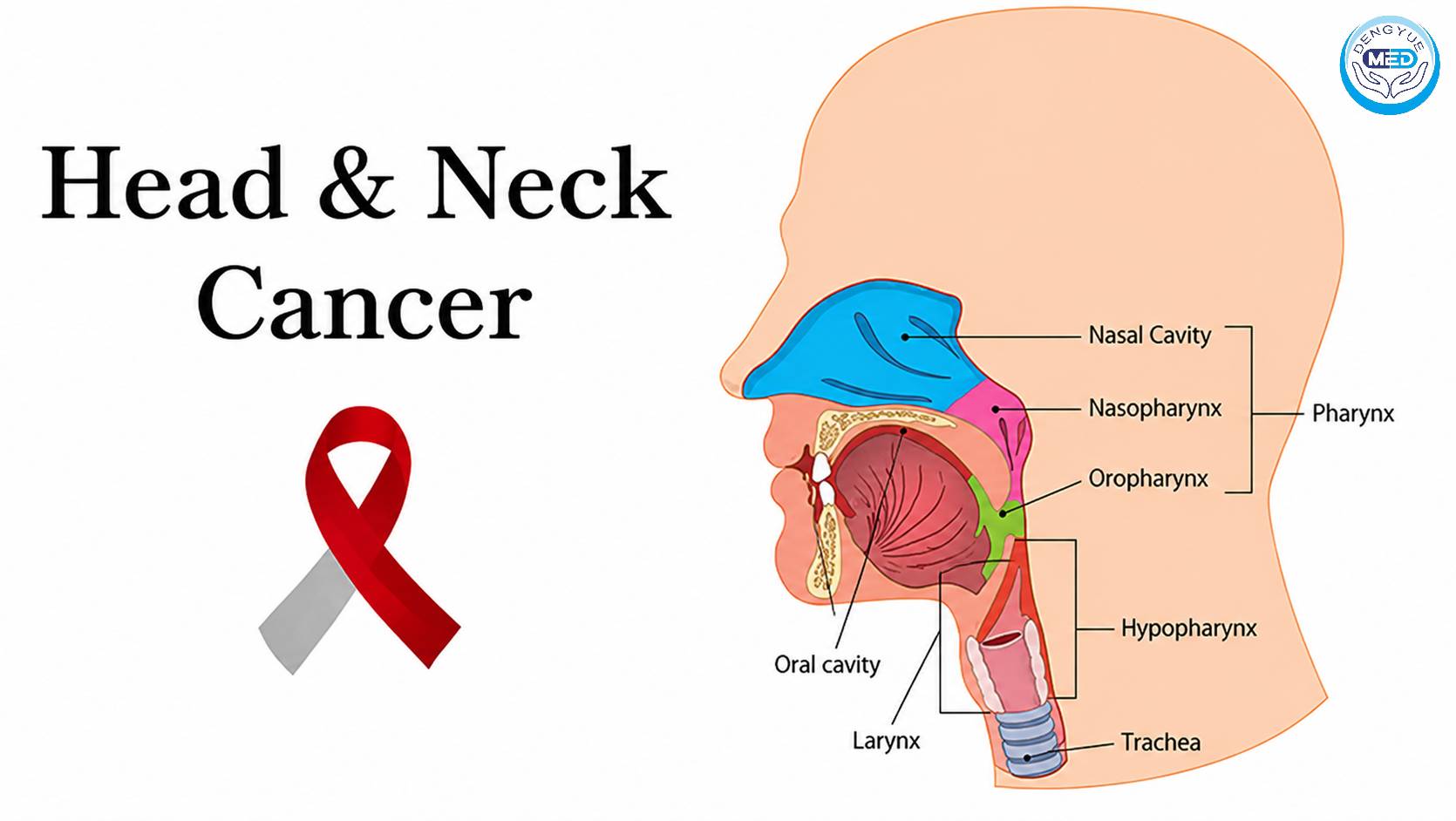
Understanding the Key Differences Among Three Head and Neck Cancers
In everyday life, many people refer to malignant tumors that develop in the throat region simply as “throat cancer.” In reality, nasopharyngeal cancer, oropharyngeal cancer, and laryngeal cancer are three distinct types of head and neck cancer. They differ not only in their anatomical locations but also in their causes, risk factors, clinical manifestations, diagnostic approaches, and treatment strategies.
In recent years, advances in precision medicine, molecular diagnostics, and immunotherapy have transformed the management of head and neck cancers. Understanding the differences among these three cancers can improve public awareness, promote earlier detection, and support more personalized treatment.
What Is Head and Neck Cancer?
Head and neck cancer (HNC) refers to a group of malignant tumors that arise in the oral cavity, pharynx, larynx, nasal cavity, paranasal sinuses, and salivary glands. More than 90% of these cancers are squamous cell carcinomas.
According to global cancer statistics, more than 900,000 new cases of head and neck cancer are diagnosed each year, making it one of the most common malignancies worldwide. Because nasopharyngeal cancer, oropharyngeal cancer, and laryngeal cancer occur in adjacent anatomical regions, they are often confused with one another. However, they are distinct diseases with significant differences in etiology, epidemiology, and treatment.
Nasopharyngeal Cancer: Closely Associated with Epstein-Barr Virus (EBV)
Nasopharyngeal cancer (NPC) originates in the nasopharynx, the upper part of the throat located behind the nasal cavity.
Unlike many other cancers, NPC has a distinct geographic distribution and is relatively common in southern China, Southeast Asia, and parts of North Africa. Current research suggests that the development of NPC results from the combined effects of genetic susceptibility, environmental exposures, and viral infection.
Major risk factors for nasopharyngeal cancer include:
- Epstein-Barr virus (EBV) infection
- Genetic predisposition
- Long-term consumption of salt-preserved foods
- Smoking and environmental factors
Because the nasopharynx is located deep within the head, early tumors are often difficult to detect. As a result, many patients are diagnosed when the disease has already reached a locally advanced stage.
Common symptoms include nasal obstruction, nosebleeds, tinnitus, hearing loss, and painless enlargement of the cervical lymph nodes. Some patients may also experience headaches, double vision, or other neurological symptoms.
Radiotherapy remains the cornerstone of treatment for nasopharyngeal cancer, while patients with locally advanced disease typically receive concurrent chemotherapy. In recent years, immune checkpoint inhibitors have further improved outcomes for some patients with recurrent or metastatic disease.
Oropharyngeal Cancer: Increasingly Linked to HPV Infection
Oropharyngeal cancer develops in the oropharynx, including the following structures:
- Tonsils
- Base of the tongue
- Soft palate
- Posterior pharyngeal wall
Historically, smoking and excessive alcohol consumption were the primary risk factors for oropharyngeal cancer. However, over the past decade, infections with high-risk human papillomavirus (HPV), particularly HPV-16, have become increasingly common and are now recognized as a major cause of oropharyngeal cancer, especially in North America and Europe.
Compared with traditional smoking-related oropharyngeal cancer, HPV-positive disease generally occurs in younger patients, responds better to radiotherapy, chemotherapy, and immunotherapy, and is associated with a more favorable prognosis.
Common symptoms include persistent sore throat, difficulty swallowing, a sensation of a lump in the throat, tonsillar masses, and enlarged cervical lymph nodes. Because these symptoms can resemble those of common pharyngitis, individuals with symptoms lasting several weeks should seek evaluation by an otolaryngology specialist.
Laryngeal Cancer: Persistent Hoarseness Is an Important Warning Sign
Laryngeal cancer arises in the larynx and is classified into supraglottic, glottic, and subglottic cancers, with glottic cancer being the most common subtype.
Long-term smoking remains the leading risk factor, while heavy alcohol consumption, occupational exposure to dust, and air pollution may also contribute to disease development.
Because the tumor directly affects the vocal cords, persistent hoarseness is usually the earliest and most characteristic symptom of laryngeal cancer. Additional symptoms may include:
- Sore throat
- Difficulty swallowing
- Shortness of breath
- Chronic cough
- Coughing up blood (hemoptysis)
Compared with nasopharyngeal cancer, laryngeal cancer is often detected earlier because changes in the voice are more noticeable. Treatment options include surgery, radiotherapy, chemotherapy, and immunotherapy. Individualized treatment plans are developed based on tumor stage, anatomical location, and the patient’s overall condition, with efforts made to preserve speech and swallowing function whenever possible.
What Are the Key Differences Among These Three Cancers?
Although all three belong to the category of head and neck cancers, they differ substantially in several aspects.
| Comparison | Nasopharyngeal Cancer | Oropharyngeal Cancer | Laryngeal Cancer |
|---|---|---|---|
| Primary Location | Nasopharynx | Tonsils, base of tongue, soft palate, etc. | Larynx and vocal cords |
| Major Risk Factors | EBV infection, genetics, diet | HPV infection, smoking, alcohol | Smoking, alcohol |
| Common Symptoms | Nasal obstruction, tinnitus, neck mass | Sore throat, difficulty swallowing | Persistent hoarseness |
| Main Treatments | Radiotherapy, chemotherapy, immunotherapy | Surgery, radiotherapy, immunotherapy | Surgery, radiotherapy, immunotherapy |
| Difficulty of Early Detection | High | Moderate | Relatively lower |
Precision Medicine Is Transforming the Treatment of Head and Neck Cancer
Advances in precision medicine are ushering head and neck cancer treatment into a more personalized era. As molecular diagnostics and biomarker research continue to evolve, clinicians can increasingly tailor treatment strategies based on the biological characteristics of each patient’s tumor.
Key biomarkers currently used in clinical practice include:
- PD-L1 expression: Helps identify patients who may benefit from immunotherapy.
- HPV status: Plays an important role in treatment planning and prognosis for oropharyngeal cancer.
- EBV DNA testing: Widely used for screening, treatment monitoring, and recurrence surveillance in nasopharyngeal cancer.
At the same time, innovative therapies—including immune checkpoint inhibitors, targeted therapies, antibody-drug conjugates (ADCs), bispecific antibodies, and cell-based therapies—are expanding treatment options for patients with recurrent or metastatic head and neck cancers. Emerging technologies such as liquid biopsy, artificial intelligence-assisted diagnostics, and multidisciplinary team (MDT) care are further improving the precision and standardization of disease management.
How Can the Risk of Head and Neck Cancer Be Reduced?
Although not all head and neck cancers can be prevented, reducing exposure to known risk factors can help lower the likelihood of developing these diseases and improve the chances of early detection.
Key recommendations include:
- Quit smoking and avoid long-term exposure to secondhand smoke.
- Limit alcohol consumption to reduce chronic irritation of the oropharyngeal and laryngeal mucosa.
- Receive HPV vaccination to help prevent HPV-related oropharyngeal cancer.
- Maintain a healthy diet by limiting the intake of high-salt and preserved foods.
- Seek prompt evaluation by an otolaryngologist if persistent hoarseness, nasal obstruction, nosebleeds, difficulty swallowing, or a neck mass develops.
Conclusion
Although nasopharyngeal cancer, oropharyngeal cancer, and laryngeal cancer are all classified as head and neck cancers, they differ significantly in their anatomical origin, underlying causes, risk factors, clinical presentation, and treatment approaches. Nasopharyngeal cancer is closely associated with Epstein-Barr virus infection, oropharyngeal cancer is increasingly linked to HPV infection, while laryngeal cancer remains strongly associated with long-term smoking and alcohol consumption.
Looking ahead, greater public awareness, expanded early screening programs, advances in molecular diagnostics, and continued development of innovative therapies are expected to enable earlier diagnosis, more precise treatment, and improved long-term outcomes for patients with head and neck cancer.
As molecular diagnostics, precision medicine, and innovative therapies continue to advance, the management of head and neck cancer is becoming increasingly precise and personalized. Dengyue Pharma will continue to share updates on global innovative drug development, advances in precision oncology, and key developments in the international pharmaceutical industry, providing healthcare professionals and industry partners with timely, professional, and valuable insights.