Which GBM Patients May Benefit from Bevacizumab?
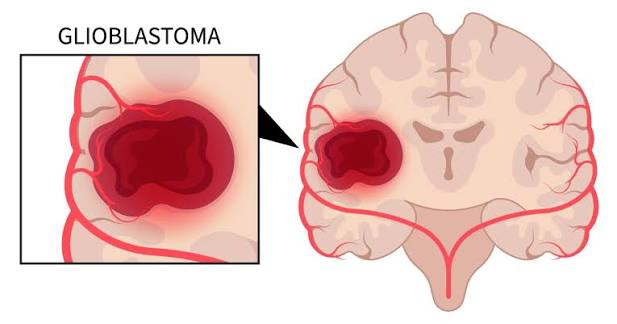
Glioblastoma (GBM) is one of the most aggressive primary brain tumors, characterized by rapid growth, extensive infiltration into surrounding brain tissue, and a high risk of recurrence despite standard treatment.
Current standard therapy typically includes maximal safe surgical resection followed by radiotherapy and temozolomide-based chemotherapy. However, many patients eventually experience disease progression.
For selected patients, particularly those with recurrent glioblastoma, bevacizumab, an anti-VEGF targeted therapy, has become an important treatment option.
Not every patient with glioblastoma is an appropriate candidate for bevacizumab. Treatment decisions should always be made by a neuro-oncology specialist based on the patient’s overall clinical condition.
Which GBM Patients May Benefit from Bevacizumab?
1. Patients with Recurrent GBM
Bevacizumab is most commonly used in patients with recurrent glioblastoma.
When the disease progresses after standard therapy and repeat surgery is unlikely to provide meaningful benefit, bevacizumab may be considered as part of the subsequent treatment strategy.
2. Patients with Significant Cerebral Edema
Patients who develop severe brain swelling causing persistent headaches, nausea, or neurological deficits may benefit from bevacizumab.
By inhibiting vascular endothelial growth factor (VEGF), bevacizumab can reduce abnormal tumor-associated blood vessel permeability, helping decrease cerebral edema and improve neurological symptoms.
3. Patients Who Are Not Suitable for Repeat Surgery
Some patients are not candidates for additional surgery because of:
- Tumor location
- Poor physical condition
- Previous treatments
- Increased surgical risk
In these situations, bevacizumab may be combined with other therapies as part of an individualized treatment approach.
4. Patients Requiring Long-Term Corticosteroid Therapy
Many GBM patients require corticosteroids such as dexamethasone to control tumor-related cerebral edema.
However, prolonged steroid use may cause complications, including:
- Infection risk
- Hyperglycemia
- Muscle weakness
- Osteoporosis
For some patients, bevacizumab may help reduce steroid requirements by controlling edema.
What Are the Clinical Benefits of Bevacizumab for GBM?
Although bevacizumab cannot cure glioblastoma, eligible patients may experience several important clinical benefits.
Control of Cerebral Edema
Reducing cerebral edema is one of the most significant advantages of bevacizumab.
As brain swelling improves, symptoms such as:
- Headaches
- Nausea
- Neurological impairment
- Reduced mobility
may improve.
Symptom Relief
Some patients experience improved quality of life following treatment, including:
- Improved neurological function
- Better daily activity ability
- Reduced symptom burden
Delayed Disease Progression
Clinical studies have shown that bevacizumab may prolong progression-free survival (PFS), meaning it can delay radiographic disease progression in some patients.
However, its impact on overall survival (OS) remains controversial.
The main clinical value of bevacizumab in GBM is disease control, symptom improvement, and quality-of-life enhancement.
Reduced Dependence on Corticosteroids
By improving tumor-associated edema, bevacizumab may allow some patients to gradually reduce corticosteroid dosage and minimize steroid-related complications.
How Is Bevacizumab Used in GBM Treatment?
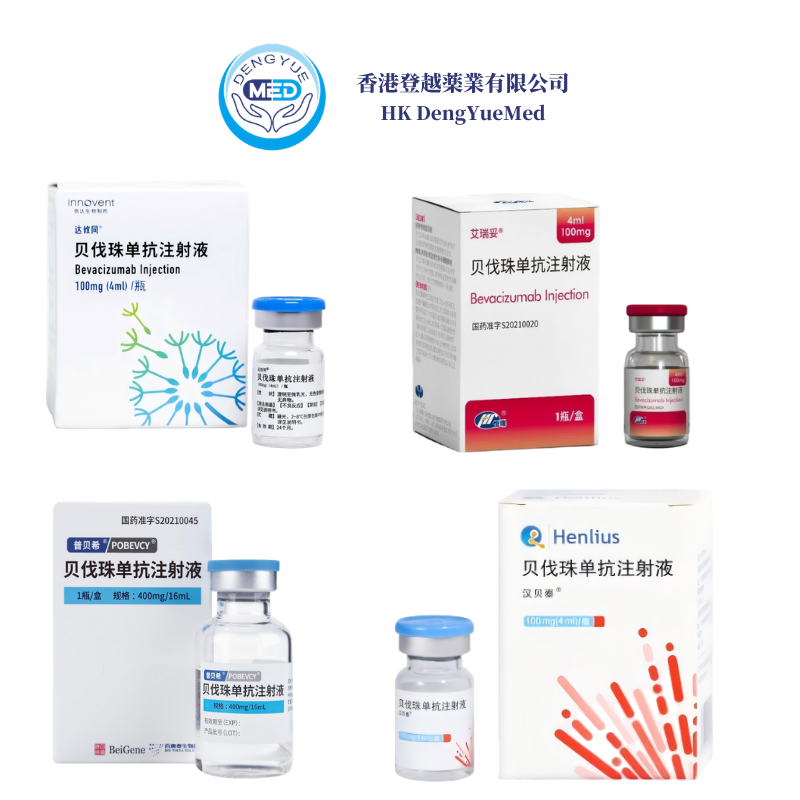
Depending on the patient’s clinical condition, bevacizumab may be administered through different treatment strategies.
Monotherapy
For some patients with recurrent GBM, bevacizumab may be used alone to control disease progression and relieve symptoms.
Combination Therapy
In clinical practice, bevacizumab may also be combined with other treatment modalities, including:
- Temozolomide
- Lomustine
- Radiotherapy
- Other individualized treatment strategies
The optimal treatment approach depends on:
- Previous therapies
- Tumor characteristics
- Molecular features
- Patient health status
- Physician evaluation
What Are the Side Effects of Bevacizumab?
Like all medications, bevacizumab may cause adverse effects.
Common adverse effects include:
- Hypertension
- Proteinuria
- Nosebleeds or mild bleeding
- Fatigue
- Headache
Less Common but Potentially Serious Adverse Effects:
- Thromboembolism
- Severe bleeding
- Gastrointestinal perforation (rare)
- Delayed wound healing
- Posterior Reversible Encephalopathy Syndrome (PRES) (rare)
During treatment, patients should receive regular monitoring, including:
- Blood pressure assessment
- Urine protein testing
- Laboratory evaluations
- MRI follow-up
Patients should immediately seek medical attention if they experience severe headache, chest pain, shortness of breath, or unusual bleeding.
What Should Patients Know During Bevacizumab Treatment?
To improve treatment safety, patients are generally advised to:
- Undergo regular MRI examinations to evaluate treatment response.
- Monitor blood pressure and urine protein regularly.
- Inform physicians before planned surgery.
- Follow medical guidance regarding treatment interruption or continuation.
Patients should never discontinue or modify treatment without professional medical supervision.
Conclusion
Glioblastoma is a highly aggressive brain tumor with a high risk of recurrence despite standard treatment.
For selected patients with recurrent GBM, bevacizumab has become an important therapeutic option.
Although current evidence does not demonstrate that bevacizumab can cure GBM or significantly improve overall survival for every patient, it has shown clear clinical value in:
- Controlling cerebral edema
- Relieving neurological symptoms
- Delaying disease progression
- Improving quality of life
Because every patient’s disease characteristics, treatment goals, and overall health condition are different, bevacizumab treatment decisions should always be based on comprehensive evaluation by a neuro-oncology specialist.
If you would like to learn more about the availability of bevacizumab or other innovative medicines from China, as well as pharmaceutical supply or partnership opportunities, please contact DengYueMed, a professional pharmaceutical wholesaler in China, for information and support.
About DengYueMed
DengYueMed focuses on global pharmaceutical supply chain services, providing access to innovative medicines, oncology therapies, rare disease treatments, and specialty pharmaceuticals.
Through reliable sourcing channels, quality management systems, and international pharmaceutical coordination, DengYueMed is committed to supporting healthcare partners worldwide and improving access to advanced medical therapies.
Related Posts
- New Drug for Biliary Tract Cancer! A Japanese Innovation Enters China, Adding a New Variable to the Global FGFR Landscape
- Breaking Through for an Asian Cancer: China’s Innovation Rewrites the Future of Nasopharyngeal Cancer Treatment
- Sevabertinib for HER2-Mutant NSCLC in China: A New Targeted Treatment Option