What Advanced Cancer Therapies Are Available in China? Which International Patients Are They Suitable For?

As more international patients begin exploring cancer treatments in China, the demand for cross-border medical care continues to grow.
As a cross-border medical collaboration platform connecting international patients with Chinese healthcare resources, DengYueMed helps overseas patients access hospitals, specialists, and advanced treatment options in China while assisting with medical record pre-assessment, treatment consultations, medical translation, and treatment coordination.
For many overseas patients, seeking cancer treatment in China is not only about lower medical costs. More importantly, it may provide:
- Faster access to innovative therapies and newly approved medicines
- Broader treatment options for selected cancers
- Extensive physician experience
- Mature multidisciplinary team (MDT) collaboration
- Shorter waiting times than in some countries
China has become one of the world’s fastest-growing oncology markets. Continuous advances in cellular therapy, immunotherapy, precision medicine, radiation oncology, and minimally invasive interventions are creating new treatment opportunities for both domestic and international patients.
This article introduces several advanced cancer therapies currently available in China and explains which patients may potentially benefit from them.
Table of Contents
- CAR-T Cell Therapy
- Immunotherapy
- Proton and Heavy Ion Therapy
- NanoKnife (Irreversible Electroporation)
- Cryoablation
- Precision Targeted Therapy
- Why More International Patients Are Choosing China
- Which Patients May Benefit
- Conclusion
CAR-T Cell Therapy: A Major Breakthrough for Hematologic Malignancies

What Is CAR-T?
CAR-T (Chimeric Antigen Receptor T-cell Therapy) is one of the most important breakthroughs in modern cellular immunotherapy.
Unlike conventional chemotherapy or radiation therapy, CAR-T treatment uses the patient’s own immune cells to recognize and destroy cancer cells.
The treatment process generally includes several highly specialized steps:
- Collecting T cells from the patient’s blood
- Genetically modifying the cells in a GMP-certified laboratory
- Expanding the engineered cells
- Performing rigorous quality-control testing
- Transporting the cells under validated cold-chain conditions
- Reinfusing the modified cells back into the patient
After infusion, the engineered CAR-T cells can specifically recognize cancer-associated antigens and launch targeted immune attacks against malignant cells.
Because every product is manufactured individually for each patient, CAR-T therapy requires sophisticated laboratory infrastructure, experienced clinical teams, and comprehensive regulatory oversight.
Which Diseases Currently Benefit the Most?
CAR-T therapy has demonstrated the strongest clinical evidence in hematologic malignancies, including:
- Relapsed or refractory diffuse large B-cell lymphoma (DLBCL)
- Acute lymphoblastic leukemia (ALL)
- Multiple myeloma
- Mantle cell lymphoma
- Follicular lymphoma
- Other selected B-cell malignancies
Several CAR-T products have already received regulatory approval in China, while hundreds of additional clinical trials continue exploring new targets and treatment strategies.
China has become one of the world’s leading centers for CAR-T clinical research, with continuous expansion into next-generation technologies.
Which International Patients May Be Suitable?
CAR-T therapy may be considered for international patients who:
- Have relapsed after multiple previous treatments
- Have refractory hematologic malignancies
- Cannot tolerate additional chemotherapy
- Are seeking innovative immunotherapy options
- Face prolonged waiting periods in their home countries
Compared with some countries, eligible international patients may benefit from:
- Faster treatment scheduling
- Broader clinical trial availability
- Greater physician experience with large patient volumes
- More affordable treatment costs in selected cases
However, CAR-T therapy is not appropriate for every patient.
For many common solid tumors—including lung cancer, pancreatic cancer, colorectal cancer, gastric cancer, and liver cancer—CAR-T remains largely under clinical investigation, although promising research continues worldwide.
Every patient should undergo comprehensive medical evaluation before determining whether CAR-T therapy is an appropriate treatment option.
Immunotherapy: Reactivating the Body’s Anti-Cancer Immune Response
What Is Immunotherapy?
Immunotherapy is one of the most important advances in modern oncology. Instead of attacking cancer cells directly, immunotherapy helps the body’s own immune system recognize and eliminate malignant cells more effectively.
Many cancer cells evade immune surveillance by activating immune checkpoint pathways. Checkpoint inhibitors block these pathways, allowing immune cells to recover their ability to identify and destroy tumor cells.
The most widely used immune checkpoint inhibitors include:
Over the past several years, China has approved numerous immunotherapy medicines, including both internationally developed products and domestically developed innovative therapies.
These medicines are now routinely incorporated into treatment strategies for many advanced cancers.
Which Cancers May Benefit?
Immunotherapy has demonstrated clinical benefit across a wide range of malignancies, including:
- Non-small cell lung cancer (NSCLC)
- Hepatocellular carcinoma (liver cancer)
- Melanoma
- Nasopharyngeal carcinoma
- Esophageal cancer
- Gastric cancer
- Renal cell carcinoma
- Cervical cancer
- Urothelial carcinoma
- Hodgkin lymphoma
For many tumor types, immunotherapy is now combined with chemotherapy, targeted therapy, anti-angiogenic therapy, or radiation therapy to improve treatment outcomes.
China has also accumulated extensive clinical experience in treating Asian patient populations, particularly for liver cancer, nasopharyngeal carcinoma, and gastrointestinal malignancies.
Which International Patients May Be Suitable?
Immunotherapy may be considered for patients who:
- Have advanced or metastatic cancer
- Are not candidates for surgery
- Have experienced disease progression after chemotherapy
- Wish to explore longer-term disease control strategies
- May benefit from combination treatment approaches
However, immunotherapy is not suitable for every patient.
Before treatment begins, physicians typically evaluate several important biomarkers, including:
- PD-L1 expression level
- MSI (Microsatellite Instability)
- TMB (Tumor Mutational Burden)
- Next-Generation Sequencing (NGS)
- Driver gene mutations
- Overall tumor type and stage
Some patients achieve long-lasting responses, while others may derive limited benefit. Comprehensive biomarker testing therefore plays an essential role in treatment planning.
Proton and Heavy Ion Therapy: High-Precision Radiation Treatment

What Is Proton or Heavy Ion Therapy?
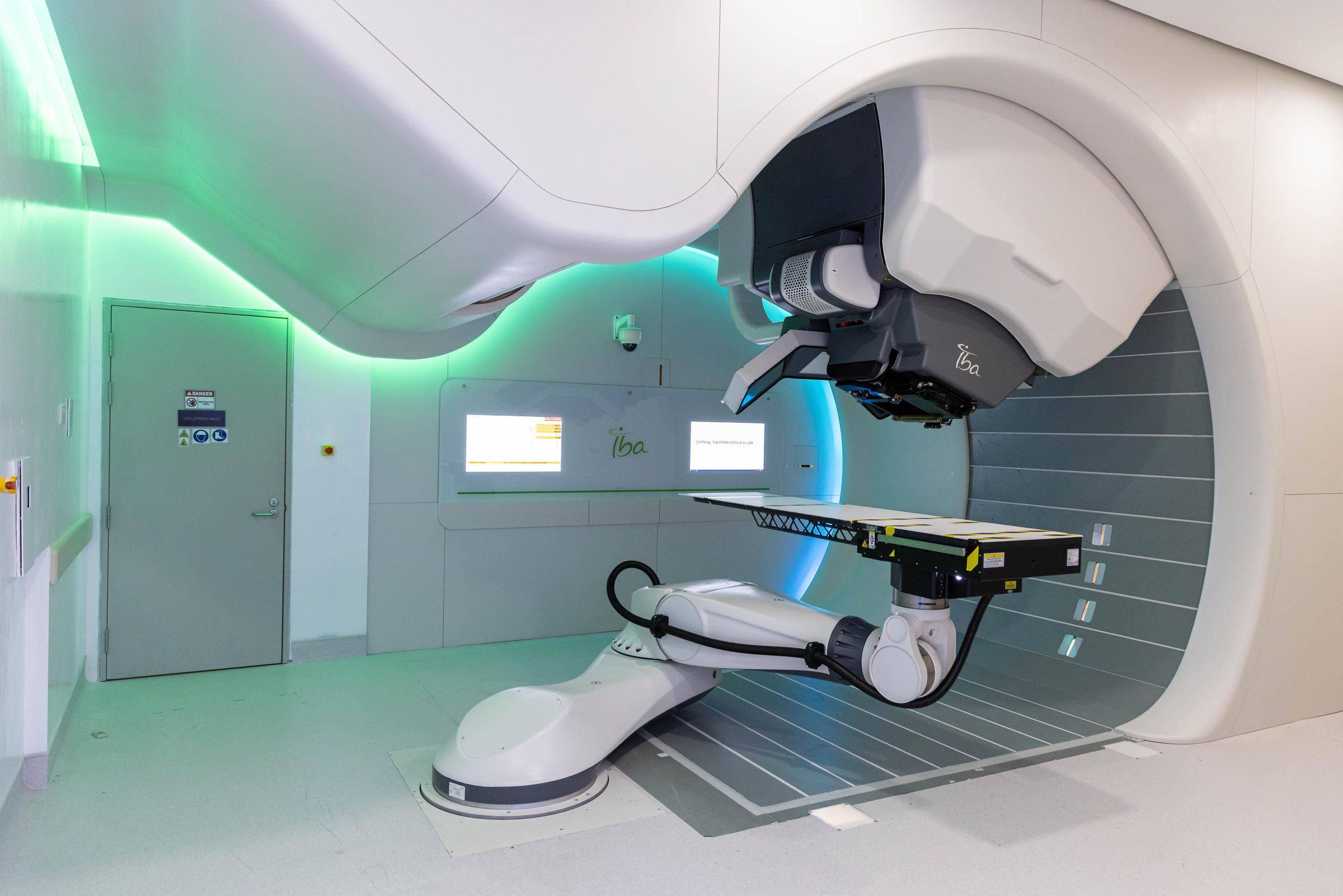
Proton therapy and heavy ion therapy represent some of the world’s most advanced forms of radiation oncology.
Unlike conventional X-ray radiotherapy, particle therapy delivers radiation with much greater precision through a physical property known as the Bragg Peak.
This allows radiation energy to be concentrated directly within the tumor while minimizing unnecessary exposure to surrounding healthy tissues.
Potential advantages include:
- Higher radiation precision
- Better protection of nearby healthy organs
- Lower radiation exposure outside the tumor
- Reduced long-term treatment-related toxicity
- Improved preservation of organ function
For tumors located near critical anatomical structures, these advantages can be particularly valuable.
Which Cancers May Benefit?
Proton or heavy ion therapy may be considered for selected patients with:
- Nasopharyngeal carcinoma
- Brain tumors
- Skull base tumors
- Chordoma
- Chondrosarcoma
- Pediatric cancers
- Prostate cancer
- Liver cancer
- Pancreatic cancer
- Selected recurrent tumors
These therapies are especially useful when tumors are located close to sensitive structures such as:
- Brain stem
- Spinal cord
- Eyes
- Optic nerves
- Major blood vessels
- Heart
- Liver
By reducing unnecessary radiation to surrounding tissues, particle therapy may decrease certain treatment-related complications.
China’s Experience in Particle Therapy
China has invested heavily in advanced radiation oncology over the past decade.
Several leading cancer centers now operate world-class proton and heavy ion treatment facilities equipped with highly sophisticated imaging, treatment planning, and quality assurance systems.
One of the most internationally recognized centers is the Shanghai Proton and Heavy Ion Center, which has treated patients from China and overseas across a wide range of cancer types.
Continuous clinical research is also expanding treatment indications and improving long-term outcomes.
Which International Patients May Benefit?
International patients may consider proton or heavy ion therapy if they:
- Require highly precise radiation treatment
- Have tumors adjacent to critical organs
- Wish to minimize radiation-related side effects
- Previously received radiation therapy
- Need maximal preservation of normal tissue function
- Are pediatric patients requiring long-term protection from radiation exposure
Compared with several Western countries, treatment costs in China may also be substantially lower while maintaining modern treatment standards.
NanoKnife (Irreversible Electroporation): A New Option for Difficult-to-Treat Tumors
What Is NanoKnife?
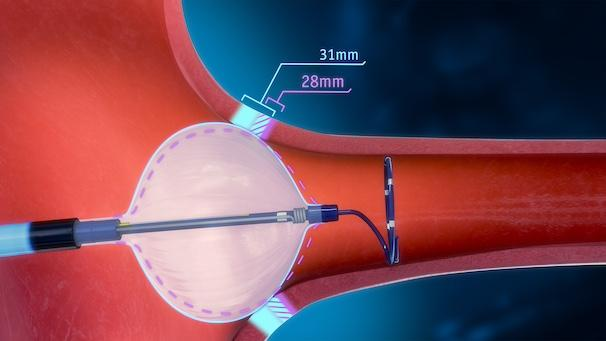
NanoKnife, also known as Irreversible Electroporation (IRE), is an innovative minimally invasive tumor ablation technology.
Unlike thermal ablation techniques that destroy tumors using heat or freezing temperatures, NanoKnife delivers precisely controlled, high-voltage electrical pulses through specially positioned electrodes.
These electrical pulses permanently disrupt cancer cell membranes, leading to programmed cell death while largely preserving important surrounding structures.
Because no extreme heat is generated, NanoKnife can often avoid damaging:
- Major blood vessels
- Bile ducts
- Nerves
- Connective tissue
This unique characteristic makes NanoKnife particularly valuable for tumors located in anatomically complex regions.
Which Cancers Commonly Use NanoKnife?
NanoKnife has been increasingly applied in carefully selected patients with:
- Pancreatic cancer
- Liver cancer
- Prostate cancer
- Kidney tumors
- Selected lung cancers
- Pelvic tumors
Its greatest clinical value is often seen in patients with locally advanced tumors that cannot be safely removed through conventional surgery.
Rather than replacing surgery, NanoKnife may become part of a multidisciplinary treatment strategy alongside chemotherapy, targeted therapy, immunotherapy, or radiation therapy.
Which International Patients May Benefit?
NanoKnife may be appropriate for patients who:
- Have unresectable locally advanced tumors
- Are not suitable surgical candidates
- Require minimally invasive treatment
- Hope to preserve important blood vessels or nerves
- Have experienced limited benefit from standard therapies
Treatment eligibility depends on multiple clinical factors, including tumor size, location, imaging findings, and overall health status.
Comprehensive evaluation by an experienced multidisciplinary oncology team remains essential before proceeding with NanoKnife treatment.
Cryoablation: Minimally Invasive Precision Tumor Destruction

What Is Cryoablation?
Cryoablation is a minimally invasive interventional oncology technique that destroys tumor tissue by exposing it to extremely low temperatures.
During the procedure, physicians insert specially designed cryoprobes into the tumor under imaging guidance such as CT or ultrasound. Argon gas rapidly cools the probe tip, creating an “ice ball” that freezes and destroys cancer cells while preserving as much surrounding healthy tissue as possible.
Compared with conventional surgery, cryoablation offers several potential advantages:
- Smaller incisions
- Reduced blood loss
- Faster recovery
- Shorter hospital stays
- Repeatable treatment if necessary
- Lower procedural trauma for selected patients
Because the procedure is image-guided, physicians can precisely monitor the treatment area throughout the ablation process.
Which Cancers May Benefit?
Cryoablation has been used in selected patients with:
- Lung cancer
- Liver cancer
- Kidney cancer
- Bone metastases
- Soft tissue tumors
- Selected breast tumors
It may also be used for palliative treatment in patients with painful bone metastases or tumors causing significant symptoms.
Although cryoablation is not appropriate for every patient, it can provide meaningful local tumor control in carefully selected cases.
Which International Patients May Benefit?
Cryoablation may be considered for:
- Elderly patients unable to tolerate major surgery
- Patients with localized tumors
- Individuals requiring minimally invasive treatment
- Patients seeking symptom relief
- Patients wishing to preserve organ function whenever possible
Treatment suitability depends on tumor size, anatomical location, previous treatments, and overall health condition.
Precision Targeted Therapy: Personalized Treatment Based on Genetic Testing

Entering the Era of Precision Medicine
Cancer treatment has increasingly shifted from traditional “one-size-fits-all” therapy toward personalized precision medicine.
Instead of selecting treatment solely according to where the cancer originated, physicians now analyze the tumor’s genetic profile to identify actionable mutations that can be matched with targeted medicines.
Modern precision oncology commonly includes:
- Next-Generation Sequencing (NGS)
- Molecular profiling
- Biomarker testing
- Companion diagnostic testing
- Liquid biopsy in selected situations
This approach allows doctors to design more individualized treatment plans for eligible patients.
Common Molecular Targets
China has become one of the world’s leading centers for targeted oncology drug development.
Common therapeutic targets include:
- EGFR
- ALK
- ROS1
- HER2
- KRAS
- RET
- MET
- BRAF
- NTRK
Numerous targeted medicines developed in China have also gained international recognition through global clinical studies.
Which Patients May Benefit?
Precision targeted therapy may be especially appropriate for patients with:
- Non-small cell lung cancer
- Breast cancer
- Colorectal cancer
- Gastric cancer
- Ovarian cancer
- Thyroid cancer
- Cholangiocarcinoma
- Other tumors carrying actionable genetic alterations
Compared with conventional chemotherapy, targeted therapies often produce fewer systemic side effects because they are designed to attack specific molecular abnormalities.
However, targeted therapy is effective only when the relevant mutation or biomarker is present.
For this reason, comprehensive molecular testing is an essential first step before treatment decisions are made.
Why Is China Attracting More International Cancer Patients?

China has rapidly become one of Asia’s leading destinations for advanced cancer treatment.
For many international patients, the decision to travel to China is influenced by several important factors.
1. Rapid Development of Innovative Therapies
China has made significant progress in:
- CAR-T cell therapy
- Immunotherapy
- Precision oncology
- Proton and heavy ion therapy
- Interventional oncology
- Artificial intelligence-assisted diagnosis
Many hospitals actively participate in international clinical research and continue adopting new treatment technologies.
2. More Affordable Treatment Costs
Compared with some Western countries, many advanced oncology treatments are available at substantially lower overall costs in China.
For certain therapies, this may significantly reduce the financial burden on international patients while maintaining high medical standards.
3. Extensive Clinical Experience
China treats one of the world’s largest populations of cancer patients.
This allows many major cancer centers to accumulate extensive experience in managing both common and complex malignancies.
Large treatment volumes often support continuous improvement in clinical expertise and multidisciplinary collaboration.
4. Mature Multidisciplinary Team (MDT) Care
Many leading Chinese hospitals provide treatment through MDT (Multidisciplinary Team) programs that integrate specialists from multiple disciplines.
A typical MDT may include:
- Medical oncologists
- Surgical oncologists
- Radiation oncologists
- Radiologists
- Pathologists
- Genetic specialists
- Nutritionists
- Rehabilitation physicians
This collaborative approach enables individualized treatment planning tailored to each patient’s condition.
Which International Patients May Consider Cancer Treatment in China?
Cancer treatment in China is not suitable for every patient.
However, some individuals may particularly benefit from seeking evaluation in China, including:
- Patients who have exhausted standard treatment options
- Patients seeking access to innovative therapies
- Patients with relapsed or refractory cancers
- Patients wishing to obtain a second medical opinion
- Patients interested in participating in clinical trials
- Patients looking for more affordable advanced treatment options
Before traveling, patients are generally advised to prepare:
- Pathology reports
- CT, MRI, or PET imaging
- Previous treatment records
- Surgical reports
- Genetic testing results
- Current medication lists
- Recent laboratory results
These documents allow hospitals to conduct an initial medical review and determine whether additional consultation or treatment may be appropriate.
Patients who may particularly consider treatment in China include:
- Patients with limited treatment options in their home countries
- Patients seeking access to advanced therapies
- Patients with relapsed or refractory cancers
- Patients hoping to reduce treatment costs
- Patients seeking second medical opinions
- Patients interested in clinical trials
However, cross-border medical care is not suitable for everyone.
Patients are usually advised to prepare:
- Pathology reports
- Imaging records
- Previous treatment history
- Genetic testing results
- Current health assessments
These documents allow Chinese hospitals to conduct an initial medical evaluation and determine whether a patient may be suitable for specific treatment options before traveling.
How DengYueMed Supports International Patients
For many overseas patients, arranging cancer treatment in another country involves much more than selecting a hospital. Medical records must be translated and reviewed, appointments coordinated, and travel plans organized.
DengYueMed serves as a cross-border medical collaboration platform, helping international patients better understand treatment pathways available in China while facilitating communication with healthcare institutions.
Our services may include:
- Preliminary medical record collection and organization
- Coordination of specialist consultations
- Assistance with medical document translation
- Hospital appointment coordination
- Medical travel planning support
- Treatment schedule coordination
- Follow-up communication assistance when appropriate
Every patient’s situation is different. Final treatment recommendations are always determined by qualified physicians after reviewing the patient’s medical condition and diagnostic information.
Preparing for Cancer Treatment in China
Patients considering medical care in China can often benefit from preparing their information before contacting a hospital.
Recommended documents include:
- Pathology reports
- Histopathology slides or paraffin blocks (if available)
- CT, MRI, or PET-CT imaging
- Blood test results
- Previous treatment summaries
- Surgical records
- Medication history
- Genetic or molecular testing reports
- Current physician recommendations
Providing complete medical information can help specialists evaluate potential treatment options more efficiently and determine whether additional examinations may be required after arrival.
Why Early Medical Evaluation Matters
Not every advanced therapy is appropriate for every patient.
Before recommending treatments such as CAR-T therapy, immunotherapy, proton therapy, NanoKnife, or targeted therapy, physicians generally evaluate multiple factors, including:
- Cancer type
- Disease stage
- Previous treatments
- Performance status
- Organ function
- Molecular biomarkers
- Imaging findings
- Overall treatment goals
A comprehensive evaluation helps physicians develop an individualized treatment strategy while balancing potential benefits and risks.
The Future of Cancer Treatment in China
China continues to invest heavily in oncology research and clinical innovation.
Current areas of rapid development include:
- Next-generation CAR-T therapies
- Tumor-infiltrating lymphocyte (TIL) therapy
- Bispecific antibodies
- Antibody-drug conjugates (ADCs)
- Personalized cancer vaccines
- AI-assisted medical imaging
- Precision radiation therapy
- Multi-omics precision medicine
At the same time, international collaboration between hospitals, research institutions, and pharmaceutical companies continues to expand, creating additional opportunities for global patients to access emerging therapies through appropriate clinical pathways.
Conclusion
China has become an increasingly important destination for advanced cancer care, offering a growing range of innovative treatment options, experienced multidisciplinary teams, and expanding clinical research programs.
From CAR-T therapy and immunotherapy to proton and heavy ion therapy, NanoKnife, cryoablation, and precision targeted medicine, many leading cancer centers in China now provide comprehensive treatment approaches tailored to individual patient needs.
For international patients, successful cross-border medical care requires more than identifying a treatment option. Careful preparation of medical records, professional clinical evaluation, effective communication, and coordination throughout the treatment journey are all essential components of informed decision-making.
As a cross-border medical collaboration platform, DengYueMed is committed to helping international patients better understand China’s healthcare system while facilitating access to hospitals, physicians, medical information, and treatment coordination services.
As oncology continues to evolve worldwide, international collaboration and responsible information sharing will play an increasingly important role in helping patients explore appropriate treatment opportunities and make well-informed healthcare decisions.
Disclaimer
This article is intended for educational and informational purposes only. It does not constitute medical advice, diagnosis, or treatment recommendations.
Cancer treatment decisions should always be made in consultation with qualified healthcare professionals based on each patient’s individual medical condition.
Treatment availability, eligibility criteria, regulatory approvals, and clinical practices may vary among hospitals and regions. Patients should undergo comprehensive medical evaluation before pursuing any treatment option or cross-border medical care.
About DengYueMed
DengYueMed is a cross-border medical collaboration platform dedicated to helping international patients connect with healthcare resources in China.
We support patients by facilitating:
- Medical information exchange
- Hospital connection services
- Specialist consultation coordination
- Medical record organization
- Treatment planning assistance
- Medical travel coordination
Our goal is to improve access to reliable medical information and support informed healthcare decision-making for patients seeking treatment opportunities in China.
Related Posts
- New Drug for Biliary Tract Cancer! A Japanese Innovation Enters China, Adding a New Variable to the Global FGFR Landscape
- A New Option in Targeted Biologic Therapy: Clinical Insights into Guselkumab Injection
- Chinese HER2 Bispecific Antibody + PD-1 Combination Approved in the U.S. for Gastroesophageal Adenocarcinoma, Advancing to the Forefront of Global Oncology