How Is Head and Neck Cancer Staged? Understanding the TNM Staging System, Disease Stages, and Treatment Strategies
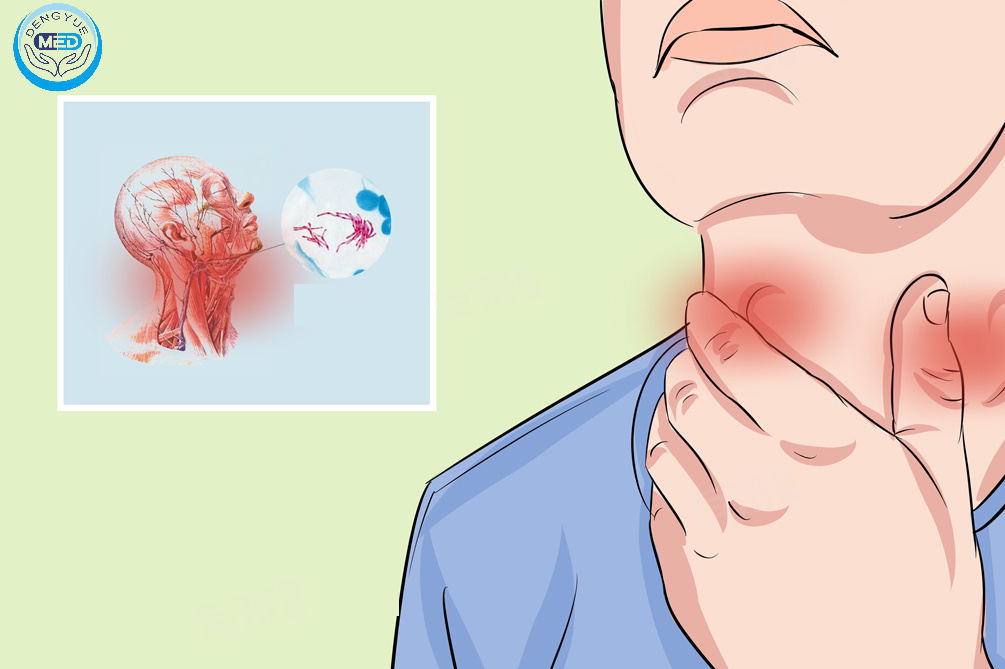
Head and neck cancer is not a single disease but a collective term for malignant tumors arising in the oral cavity, oropharynx, hypopharynx, larynx, nasopharynx, nasal cavity and paranasal sinuses, salivary glands, and other anatomical sites. More than 90% of these cancers are head and neck squamous cell carcinomas (HNSCC).
With the rapid advancement of precision medicine, an increasing number of targeted therapies and immunotherapies have become available. However, regardless of the treatment approach, accurate staging remains the cornerstone of treatment planning and prognosis assessment.
So, how is head and neck cancer staged? What does the TNM staging system represent? What treatment options are available for each stage? In this article, DengYue Pharma provides a comprehensive overview of the TNM staging system, the characteristics of each disease stage, and the latest treatment strategies.
Why Is Staging Important for Head and Neck Cancer?
For any malignant tumor, staging not only reflects the severity of the disease but also directly influences treatment decisions.
In head and neck cancer, staging is primarily used to:
- Determine the extent of local tumor invasion.
- Evaluate whether regional lymph node metastasis has occurred.
- Assess the presence of distant metastases.
- Develop an individualized treatment plan.
- Predict prognosis and survival outcomes.
- Determine eligibility for clinical trial enrollment.
After a diagnosis is confirmed, physicians typically perform a comprehensive evaluation using pathology, computed tomography (CT), magnetic resonance imaging (MRI), positron emission tomography-computed tomography (PET-CT), and endoscopic examinations before assigning the clinical stage.
How Is Head and Neck Cancer Staged? — Understanding the TNM Classification
The American Joint Committee on Cancer (AJCC) TNM staging system is the internationally accepted standard for staging head and neck cancers.
The TNM system consists of three key components.
| Component | Meaning | What It Assesses |
|---|---|---|
| T (Tumor) | Primary tumor | Tumor size, depth of invasion, and involvement of adjacent tissues |
| N (Node) | Regional lymph nodes | Presence, size, and number of cervical lymph node metastases |
| M (Metastasis) | Distant metastasis | Whether the cancer has spread to distant organs such as the lungs, bones, or liver |
Based on the combination of T, N, and M classifications, patients are assigned an overall stage ranging from Stage I to Stage IV.
It is important to note that TNM criteria vary depending on the tumor site—for example, oral cavity cancer, laryngeal cancer, oropharyngeal cancer, and nasopharyngeal carcinoma each have specific staging considerations. In particular, HPV-positive oropharyngeal cancer has a separate staging system due to its distinct biological behavior and prognosis.
What Do the Different Stages Mean?
Stage I
Characteristics:
- Small primary tumor
- No lymph node involvement
- No distant metastasis
Most patients can achieve high cure rates with surgery or radiotherapy alone, and the five-year survival rate is generally favorable.
Stage II
At this stage:
- The tumor has increased in size.
- The disease generally remains confined to the primary site.
Treatment options may include:
- Surgical resection
- Radiotherapy
- Postoperative adjuvant therapy when indicated by pathological risk factors
Stage II is still considered relatively early-stage disease.
Stage III
Stage III typically indicates:
- Further invasion into adjacent tissues, and/or
- Limited regional lymph node metastasis
Treatment generally requires a multidisciplinary team (MDT) approach, which may include:
- Curative surgery
- Radiotherapy
- Concurrent chemoradiotherapy
- Induction chemotherapy for selected patients
Stage IV
Stage IV does not necessarily mean terminal disease.
It is further divided into:
- Stage IVA
- Stage IVB
- Stage IVC (with distant metastasis)
Among these:
- Some patients with Stage IVA or IVB disease may still be candidates for curative multimodal treatment.
- Stage IVC generally represents metastatic disease, where the primary goals are systemic therapy and long-term disease control.
Recent advances in immunotherapy and targeted therapy have significantly improved survival outcomes for patients with advanced-stage disease.
Treatment Strategies by Stage
| Stage | Common Treatment Approaches |
|---|---|
| Stage I–II | Surgery or radiotherapy; selected patients may receive postoperative adjuvant therapy |
| Stage III | Surgery combined with radiotherapy or concurrent chemoradiotherapy; multidisciplinary treatment |
| Stage IVA/IVB | Multimodal therapy including surgery, radiotherapy, chemotherapy, targeted therapy, and immunotherapy |
| Stage IVC | Primarily systemic therapy, including immunotherapy, targeted therapy, chemotherapy, and supportive care |
With the continued development of precision medicine, treatment decisions are increasingly individualized based on tumor pathology, molecular biomarkers, and the patient’s overall health status.
What Factors Influence Head and Neck Cancer Staging?
In addition to the TNM classification, physicians also consider several other factors, including:
- Primary tumor site
- HPV infection status (particularly for oropharyngeal cancer)
- Epstein–Barr virus (EBV) infection (especially for nasopharyngeal carcinoma)
- Tumor histological grade
- Perineural invasion
- Lymphovascular invasion
- Surgical margin status
- Patient age and underlying medical conditions
Notably, the 8th Edition of the AJCC Cancer Staging Manual incorporated HPV status into the staging system for oropharyngeal cancer, resulting in staging criteria that more accurately reflect patient prognosis.
What Tests Are Typically Performed for Staging?
To accurately determine disease stage, physicians commonly recommend the following examinations:
- Nasopharyngoscopy or laryngoscopy
- Histopathological biopsy
- Contrast-enhanced CT scan of the neck
- MRI
- PET-CT (for selected patients)
- Ultrasound examination
- Chest CT scan
- Bone scan (when clinically indicated)
These investigations provide a comprehensive assessment of the primary tumor, regional lymph nodes, and potential distant metastases.
Emerging Therapies Are Transforming Head and Neck Cancer Treatment
In recent years, head and neck cancer management has entered the era of precision medicine.
For patients with locally advanced, recurrent, or metastatic disease, immune checkpoint inhibitors have become an important treatment option. PD-1/PD-L1 inhibitors, in particular, have enabled some patients to achieve longer survival and durable responses.
Meanwhile, several innovative therapeutic approaches are advancing rapidly in clinical development, including:
- EGFR-targeted therapies
- Antibody-drug conjugates (ADCs)
- Bispecific antibodies (BsAbs)
- CAR-T cell therapies
- Therapeutic cancer vaccines
These emerging treatments have the potential to further improve outcomes across different stages of head and neck cancer.
Therefore, accurate staging is essential not only for selecting the most appropriate current treatment but also for determining eligibility for future precision therapies and clinical trials.
Conclusion
Staging is one of the most important assessments following a diagnosis of head and neck cancer. The internationally recognized TNM staging system evaluates the size and extent of the primary tumor (T), regional lymph node involvement (N), and distant metastasis (M), enabling physicians to accurately determine disease stage and develop individualized treatment plans.
With continued advances in imaging technologies, multidisciplinary care, and precision oncology, patients at every stage of head and neck cancer now have access to an expanding range of therapeutic options, offering improved opportunities for better clinical outcomes and long-term survival.
DengYue Pharma continues to monitor the latest advances in head and neck cancer research, precision oncology, immunotherapy, targeted therapies, and global innovative medicines, providing timely pharmaceutical insights for healthcare professionals and patients worldwide.
Related Posts
- A New Option in Targeted Biologic Therapy: Clinical Insights into Guselkumab Injection
- Chinese HER2 Bispecific Antibody + PD-1 Combination Approved in the U.S. for Gastroesophageal Adenocarcinoma, Advancing to the Forefront of Global Oncology
- The 30-Year Chemotherapy Standard Faces a New Challenge: China's PD-1 Serplulimab Breaks New Ground in Gastric Cancer Treatment