Colorectal Cancer Immunotherapy: How MSI-H/dMMR Helps Identify Patients Who May Benefit

The treatment landscape for colorectal cancer is changing rapidly. With advances in precision medicine, treatment decisions are increasingly guided by tumor biomarkers rather than relying solely on cancer stage and traditional chemotherapy.
Among these biomarkers, microsatellite instability-high (MSI-H) and deficient mismatch repair (dMMR) are particularly important when evaluating patients for immunotherapy.
But who may benefit from colorectal cancer immunotherapy, and which treatment options are currently available?
Who May Benefit from Colorectal Cancer Immunotherapy?
Immunotherapy is not suitable for every patient with colorectal cancer. One of the most important factors to consider is whether the tumor is MSI-H or dMMR.
The mismatch repair (MMR) system normally identifies and repairs errors that occur during DNA replication. When this system is defective, tumor cells can accumulate a larger number of genetic mutations and produce abnormal proteins that may be more easily recognized by the immune system.
This creates an important therapeutic pathway:
dMMR / MSI-H → Increased tumor mutations → Greater immune recognition → Potential sensitivity to immune checkpoint inhibitors
For this reason, MSI/MMR testing has become an important part of treatment planning for patients with colorectal cancer, particularly in advanced disease.
Key Immunotherapy Options for Colorectal Cancer
Several immune checkpoint inhibitors have demonstrated clinical value in patients with MSI-H/dMMR colorectal cancer.
1. Pembrolizumab
Pembrolizumab is a programmed cell death protein 1 (PD-1) inhibitor.
The U.S. FDA approved pembrolizumab as a first-line treatment for patients with unresectable or metastatic MSI-H/dMMR colorectal cancer. Results from the KEYNOTE-177 study demonstrated a clinically meaningful improvement in progression-free survival compared with standard chemotherapy.
By blocking the PD-1 pathway, pembrolizumab can help restore the ability of T cells to recognize and attack cancer cells.
2. Nivolumab
Nivolumab is another PD-1 inhibitor used in selected patients with MSI-H/dMMR metastatic colorectal cancer.
It may be used as monotherapy or, for appropriate patients, as part of a combination immunotherapy strategy.
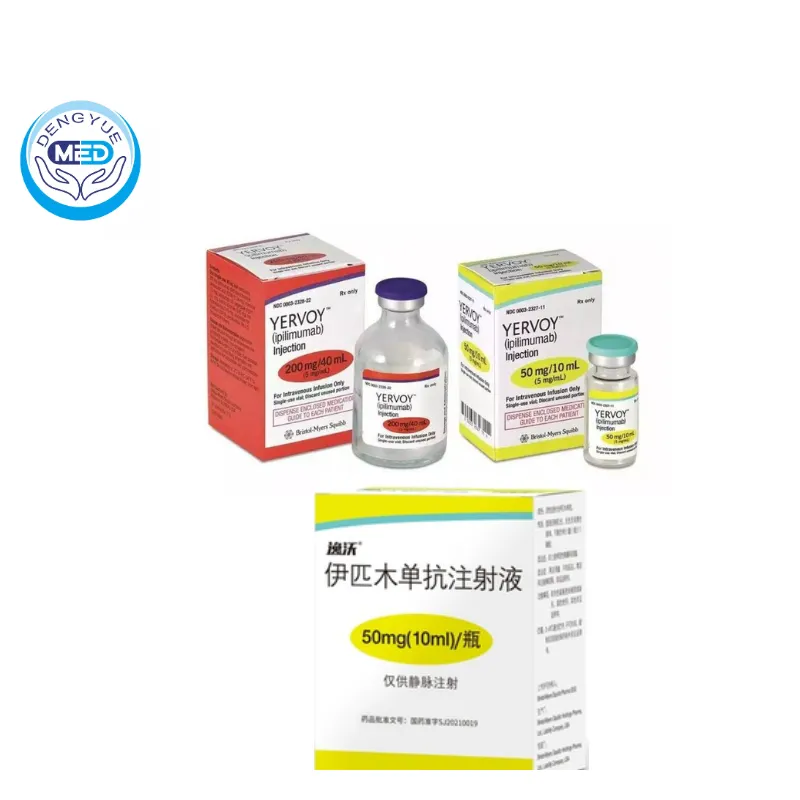
3. Nivolumab + Ipilimumab
Nivolumab combined with ipilimumab represents a dual immune checkpoint approach.
Nivolumab targets the PD-1 pathway, while ipilimumab targets CTLA-4, providing two complementary mechanisms for enhancing antitumor immune responses.
The FDA has approved the combination for certain patients with unresectable or metastatic MSI-H/dMMR colorectal cancer. Clinical evidence from CheckMate-8HW has further supported the role of this combination in this biomarker-defined population.
What About MSS or pMMR Colorectal Cancer?
The presence of MSS (microsatellite stable) or pMMR (proficient mismatch repair) does not mean that a patient has no treatment options.
However, compared with MSI-H/dMMR tumors, MSS/pMMR colorectal cancers generally show a lower response to immune checkpoint inhibitor monotherapy.
For these patients, treatment decisions may involve additional factors, including:
- Disease stage and tumor location
- KRAS/NRAS mutation status
- BRAF mutation status
- HER2 status
- Previous treatments
- Overall health and treatment goals
This highlights why comprehensive biomarker testing is increasingly important in modern colorectal cancer care.
From Biomarker Testing to Precision Treatment
The role of immunotherapy in colorectal cancer is not simply about choosing an immunotherapy drug. It starts with identifying the biological characteristics of the tumor.
A simplified treatment pathway can be described as:
Colorectal Cancer Diagnosis
↓
MSI / MMR Testing
↓
MSI-H / dMMR Identified?
↓
Evaluate Immunotherapy Eligibility
↓
Consider Appropriate PD-1 ± CTLA-4-Based Treatment
The patient’s cancer stage, previous treatment, overall health, molecular profile, and local treatment guidelines should also be considered before making a treatment decision.
DengYueMed: Supporting Global Access to Oncology Medicines
As precision oncology continues to develop, access to innovative medicines and reliable pharmaceutical supply chains has become increasingly important for healthcare providers, distributors, and qualified international buyers.
DengYueMed focuses on the global supply and procurement of innovative medicines, specialty drugs, and pharmaceutical products. Our services can support qualified customers seeking specific oncology medicines and pharmaceutical products through compliant sourcing and international supply solutions.
For organizations looking for colorectal cancer immunotherapy medicines, including specific PD-1 or CTLA-4 inhibitors, DengYueMed can provide product information and procurement support based on individual requirements and applicable regulatory conditions.
Conclusion
MSI-H and dMMR status are important biomarkers in colorectal cancer because they can help identify patients who may be more likely to benefit from immune checkpoint inhibitor therapy.
Pembrolizumab, nivolumab, and the nivolumab-plus-ipilimumab combination are important immunotherapy options for appropriately selected patients with MSI-H/dMMR colorectal cancer. For MSS/pMMR disease, treatment planning generally requires consideration of additional molecular, clinical, and treatment-history factors.
Patients should discuss MSI/MMR testing and treatment options with their oncology team. Drug approvals, indications, and treatment recommendations may differ between countries and should be confirmed according to applicable local regulatory requirements and current clinical guidelines.