Which Pancreatic Cancer Patients May Benefit from Immunotherapy? An Analysis of Biomarkers and Treatment Options

Pancreatic cancer is one of the common malignant tumors of the digestive system, with pancreatic ductal adenocarcinoma (PDAC) accounting for the vast majority of cases.
In recent years, immunotherapy has made significant progress in the treatment of various malignancies, drawing increasing attention to immunotherapy for pancreatic cancer. However, unlike certain cancers that are more responsive to immune checkpoint inhibitors, most patients with pancreatic cancer currently do not derive significant benefits from immunotherapy alone.
So, which pancreatic cancer patients may be more suitable for immunotherapy? What do biomarkers such as MSI-H, dMMR, and TMB mean?
In this article, we explore the potential role of immunotherapy in pancreatic cancer, the biomarkers that may help identify eligible patients, and the treatment strategies currently available.
Can Pancreatic Cancer Be Treated with Immunotherapy?
Yes, but treatment decisions need to be based on the individual patient’s circumstances.
Immunotherapy mainly works by activating or restoring the body’s immune system to recognize and attack cancer cells. Among the various approaches, immune checkpoint inhibitors are one of the most widely studied and clinically used types of immunotherapy, mainly involving immune checkpoint pathways such as PD-1, PD-L1, and CTLA-4.
However, pancreatic cancer is generally considered an “immunologically cold” tumor that has a relatively limited response to immune checkpoint inhibitor monotherapy.
This is because pancreatic cancer has a complex tumor microenvironment. A large amount of stromal tissue and immunosuppressive cells may surround the tumor, potentially limiting the infiltration of immune cells into the tumor and weakening the immune system’s ability to attack cancer cells.
Therefore, not all pancreatic cancer patients are suitable for immunotherapy or able to benefit from it.
At present, an important focus is to identify patients who may be sensitive to immunotherapy through biomarkers and clinical characteristics.
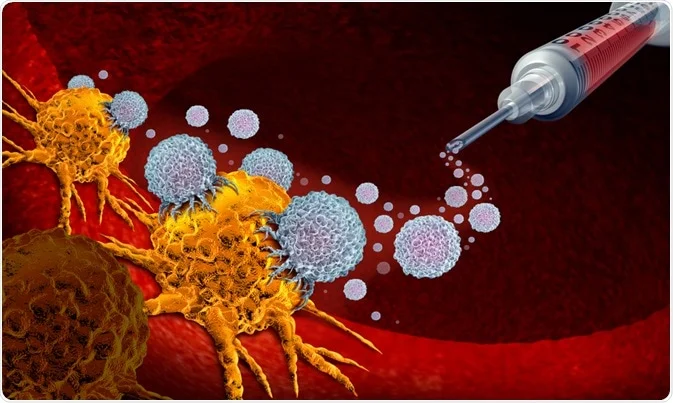
Which Pancreatic Cancer Patients May Benefit from Immunotherapy?
For patients with pancreatic cancer, the potential benefit of immunotherapy needs to be assessed based on multiple factors, including pathological type, disease stage, previous treatment, biomarkers, and overall health status.
Among these factors, several biomarkers are particularly worth noting.
1. Patients with MSI-H or dMMR Pancreatic Cancer
MSI-H refers to microsatellite instability-high, while dMMR refers to mismatch repair deficiency.
Under normal circumstances, the DNA mismatch repair system helps cells correct errors that occur during DNA replication. When the mismatch repair system is defective, tumor cells may accumulate more genetic mutations and consequently produce more abnormal proteins.
These abnormal proteins may be recognized by the immune system, making the tumor more susceptible to immune-mediated attack.
Therefore, MSI-H/dMMR is an important biomarker with clinical significance in cancer immunotherapy.
For patients with MSI-H/dMMR solid tumors who meet the relevant treatment criteria, immune checkpoint inhibitors may be a treatment option. For pancreatic cancer patients whose tumors test positive for MSI-H or dMMR, consultation with an oncology specialist is recommended to determine whether they meet the criteria for a specific immunotherapy regimen.
It is important to note that MSI-H/dMMR occurs relatively infrequently in pancreatic ductal adenocarcinoma. Therefore, most pancreatic cancer patients do not have these characteristics.
2. Patients with High TMB
TMB, or tumor mutational burden, is generally used to describe the number of somatic mutations within a certain region of a tumor genome.
Some studies suggest that a higher TMB may indicate that a tumor produces more potential neoantigens, which may increase the likelihood of recognition by the immune system.
Therefore, TMB has also become a biomarker of interest in certain immunotherapy treatment decisions.
However, TMB alone cannot determine whether a pancreatic cancer patient is suitable for immunotherapy. Test results need to be evaluated together with the tumor type, other molecular characteristics, and the specific treatment strategy.
3. Patients with Other Specific Molecular Characteristics
In addition to MSI-H/dMMR and TMB, researchers continue to explore other biomarkers that may help predict responses to immunotherapy in pancreatic cancer.
These include:
- PD-L1 expression
- Tumor neoantigens
- Tumor-infiltrating lymphocytes
- Immune-related gene signatures
- Tumor microenvironment characteristics
The clinical value of these biomarkers is not yet fully established, and some remain primarily at the research stage.
Therefore, an abnormal result for any single biomarker should not be interpreted as meaning that a patient will definitely benefit from immunotherapy.
What Immunotherapy Drugs Are Available for Pancreatic Cancer?
At present, immunotherapy for pancreatic cancer is not suitable for all patients.
For certain patients with specific molecular characteristics, immune checkpoint inhibitors may provide an additional treatment option, particularly when the tumor meets a biomarker-defined indication.
Pembrolizumab

Pembrolizumab is a programmed cell death protein 1 (PD-1) immune checkpoint inhibitor.
By blocking the PD-1 pathway, pembrolizumab can help restore T-cell-mediated immune responses against tumor cells.
For patients with advanced solid tumors harboring specific molecular characteristics such as MSI-H or dMMR, pembrolizumab has an important role in precision oncology. Its relevant regulatory indications are not limited to a single primary tumor site, meaning that some eligible pancreatic cancer patients may also be candidates for treatment.
However, this does not mean that all pancreatic cancer patients can receive pembrolizumab.
Treatment decisions generally need to take into account molecular test results, previous treatments, disease progression, overall health status, and the specific regulatory indication applicable to the patient.
Nivolumab

Nivolumab is another PD-1 immune checkpoint inhibitor that enhances antitumor immune responses by blocking the PD-1 signaling pathway.
Nivolumab has been used in the treatment of multiple types of cancer and plays an important role in certain tumor types with specific molecular or clinical characteristics.
For pancreatic cancer, however, nivolumab should not simply be considered a routine immunotherapy option for all patients.
Its potential use depends on the specific clinical setting, biomarker profile, treatment history, applicable regulatory indications, and whether the patient is participating in an appropriate clinical trial or treatment strategy.
What Other Research Directions Exist for Pancreatic Cancer Immunotherapy?
Because pancreatic cancer has a complex immune microenvironment, current research is not limited to PD-1 or PD-L1 inhibitors.
Immunotherapy Combined with Targeted Therapy
Researchers are exploring whether targeting specific signaling pathways to modify the tumor microenvironment, followed by combination with immunotherapy, could improve sensitivity to immunotherapy.
Combination strategies may potentially help overcome some of the biological barriers that make pancreatic cancer relatively resistant to immune checkpoint inhibition.
Cancer Vaccines
The goal of cancer vaccines is to help the immune system recognize tumor-associated antigens or neoantigens more accurately.
Personalized neoantigen vaccines are also an area of research in pancreatic cancer.
These approaches aim to stimulate tumor-specific immune responses and may eventually become part of individualized cancer treatment strategies.
Cell Therapy
Cell therapy strategies such as CAR-T and TCR-T are being investigated for solid tumors, including pancreatic cancer.
Compared with hematological malignancies, cell therapy for solid tumors faces multiple challenges, including the tumor microenvironment, target selection, tumor heterogeneity, and immune-cell infiltration.
As a result, many pancreatic cancer cell therapy approaches remain under clinical investigation.
Oncolytic Viruses
Oncolytic viruses can selectively infect or destroy tumor cells while potentially stimulating local immune responses, making them another area of research in pancreatic cancer immunotherapy.
Many of these treatment approaches remain at the clinical research stage.
Patients interested in such options should consult qualified medical institutions to determine whether appropriate clinical trials are available.
What Should Pancreatic Cancer Patients Be Evaluated for Before Receiving Immunotherapy?

If a physician believes that a patient may be suitable for immunotherapy, several factors are generally assessed.
1. Confirm the Pathological Type
The first step is to confirm whether the tumor is pancreatic ductal adenocarcinoma or another specific pathological type.
Different pathological subtypes may have different biological characteristics and treatment strategies.
2. Determine the Disease Stage
It is necessary to determine whether the tumor is surgically resectable, borderline resectable, locally advanced, or has already developed distant metastases.
Disease stage is an important factor when selecting systemic treatment and determining the overall treatment strategy.
3. Conduct Necessary Molecular Testing
Depending on the individual patient’s circumstances, testing may include:
- MSI/MMR testing
- TMB testing
- Germline genetic testing
- Somatic tumor genetic testing
- Other tests related to precision treatment
These tests can help physicians identify potentially actionable molecular characteristics and determine whether the patient may meet criteria for specific targeted or immunotherapy approaches.
4. Assess Previous Treatment
Physicians need to know whether the patient has previously received surgery, chemotherapy, radiotherapy, targeted therapy, immunotherapy, or other systemic treatments.
Previous treatment history may affect both the available treatment options and the expected benefit-risk profile.
5. Evaluate Overall Health Status
The patient’s performance status, organ function, underlying medical conditions, and potential risks associated with immune-related adverse events may also affect treatment decisions.
Therefore, the choice of immunotherapy should not be based solely on a single genetic or molecular test result.
How Should Pancreatic Cancer Patients Understand the Concept of “Potential Benefit”?
“Potential benefit” does not mean that treatment will definitely be effective.
Even when a patient has potentially favorable characteristics such as MSI-H, dMMR, or TMB-H, responses to immunotherapy can still vary between individuals.
Actual treatment outcomes may also be influenced by:
- Disease stage
- Tumor burden
- Tumor microenvironment
- Previous treatment
- Patient performance status
- Comorbidities
- The specific immunotherapy regimen
- Drug indication
Therefore, biomarkers should be viewed as tools that help physicians identify patients who may potentially benefit from treatment rather than as replacements for clinical judgment.
From Biomarker Testing to Precision Treatment
The role of immunotherapy in pancreatic cancer is not simply about choosing an immunotherapy drug.
It starts with identifying the biological characteristics of the tumor.
A simplified treatment pathway can be described as:
Pancreatic Cancer Diagnosis
↓
Pathological Confirmation
↓
MSI / MMR / TMB and Other Molecular Testing
↓
Potential Immunotherapy Biomarker Identified?
↓
Evaluate Immunotherapy Eligibility
↓
Consider an Appropriate Treatment Strategy
The patient’s cancer stage, previous treatment, overall health, molecular profile, applicable drug indication, and local treatment guidelines should also be considered before making a treatment decision.
Summary
Pancreatic cancer is not generally considered highly sensitive to immunotherapy. Therefore, not all pancreatic cancer patients are suitable for immune checkpoint inhibitors.
For patients with specific molecular characteristics such as MSI-H, dMMR, or TMB-H, immunotherapy may provide additional treatment options when the patient meets the relevant treatment criteria.
At the same time, biomarkers such as PD-L1 expression, tumor neoantigens, tumor-infiltrating lymphocytes, and immune-related gene signatures continue to be investigated as potential predictors of treatment response.
As precision medicine and cancer immunology continue to advance, pancreatic cancer immunotherapy is gradually shifting toward more precise patient selection and combination treatment strategies.
For patients and healthcare professionals, understanding the latest developments in cancer drugs, biomarkers, and treatment options can provide a better understanding of emerging approaches to pancreatic cancer treatment.
DengYueMed continues to monitor developments in innovative medicines, specialty drugs, and oncology treatments, supporting qualified international customers with pharmaceutical sourcing and supply solutions subject to applicable regulatory requirements.