What Can Patients with FCS Do When Their Triglyceride Levels Won’t Come Down? The World’s First APOC3 siRNA Therapy, Plozasiran Sodium, Becomes Available in China
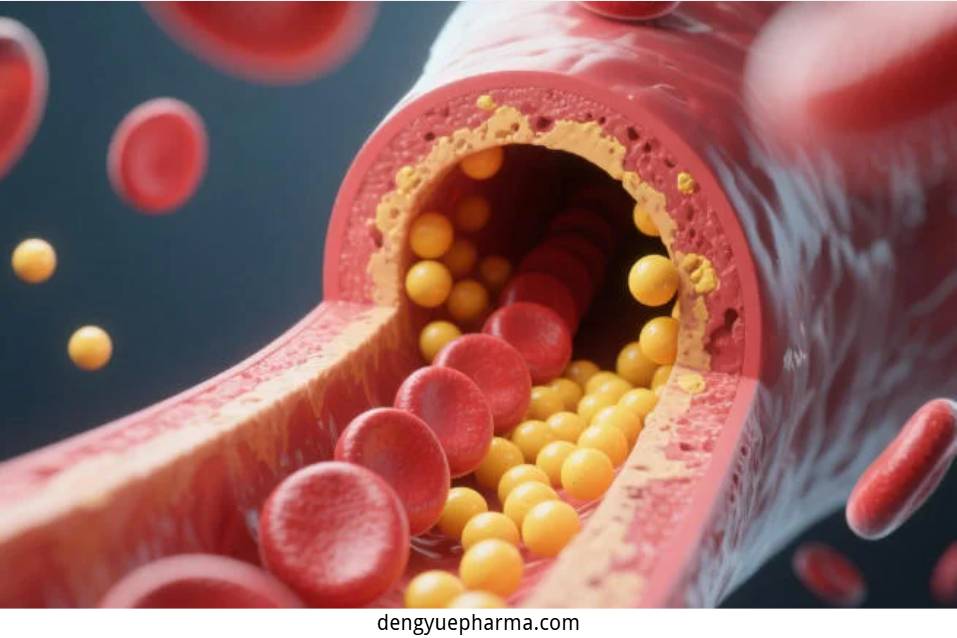
Persistent, extremely high triglyceride (TG) levels remain one of the greatest challenges faced by patients with Familial Chylomicronemia Syndrome (FCS) and their families.
For most people with hypertriglyceridemia, lifestyle modifications—including dietary changes, weight management, and lipid-lowering medications—can effectively improve blood lipid levels. However, for individuals with FCS, triglyceride levels often remain dangerously elevated despite strict adherence to an ultra-low-fat diet and standard medical treatment. Many patients also experience recurrent episodes of acute pancreatitis, which can be life-threatening.
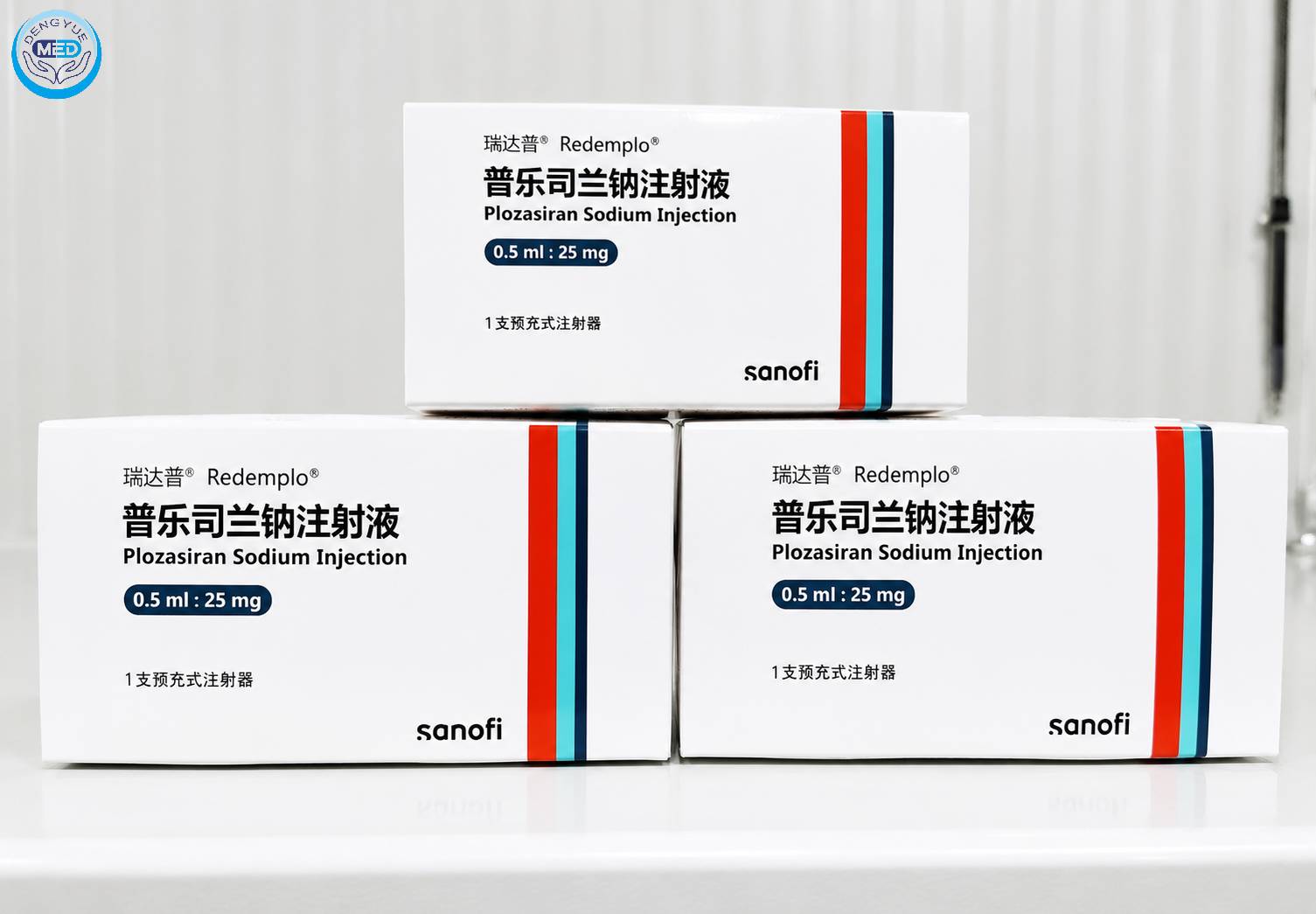
On July 22, 2026, Sanofi announced the commercial launch of Plozasiran Sodium Injection (Redemplo®) in China, making the therapy officially accessible to Chinese patients.
Plozasiran sodium is the world’s first and currently the only approved small interfering RNA (siRNA) therapy targeting APOC3, and it is also the first and only approved treatment for Familial Chylomicronemia Syndrome (FCS) in China.
The therapy became commercially available only six months after receiving approval from China’s National Medical Products Administration (NMPA) in January 2026. Its launch not only provides a new precision treatment option for FCS but also marks a significant milestone for RNA-based therapies in the field of rare diseases in China.
Why Can’t Triglyceride Levels Be Controlled in Patients with FCS?
When triglyceride levels remain poorly controlled in the general population, physicians typically investigate lifestyle factors or secondary causes of hypertriglyceridemia.
For patients with FCS, however, the underlying problem is fundamentally different—it is caused by inherited defects in lipid metabolism.
FCS is primarily caused by mutations in the lipoprotein lipase (LPL) gene or genes encoding proteins required for LPL function. These genetic abnormalities impair the body’s ability to clear triglyceride-rich lipoproteins from the bloodstream.
As a result, chylomicrons (CMs) cannot be properly metabolized. Even when patients strictly limit dietary fat intake, plasma triglyceride concentrations remain markedly elevated.
Therefore, simply increasing the dose of conventional lipid-lowering medications is generally insufficient. Effective treatment requires therapies that specifically target the underlying disease mechanism.
Why Are Patients with FCS at Such High Risk?
Although FCS is a rare inherited disorder, it carries serious health risks.
Common clinical manifestations include:
- Persistently and severely elevated fasting triglyceride levels
- Recurrent acute pancreatitis
- Severe abdominal pain, nausea, and vomiting
- Eruptive xanthomas
- Hepatosplenomegaly
- Lipemia retinalis
Among these complications, acute pancreatitis is one of the most serious. It may recur repeatedly and can become life-threatening.
Patients with persistently elevated triglyceride levels accompanied by recurrent pancreatitis should be evaluated promptly for possible FCS and undergo appropriate diagnostic testing.
The World’s First APOC3 siRNA Therapy: How Does Plozasiran Sodium Work?
Unlike conventional lipid-lowering drugs, Plozasiran Sodium is an innovative small interfering RNA (siRNA) therapy developed using RNA interference (RNAi) technology.
Its therapeutic target is Apolipoprotein C-III (APOC3).
APOC3 is primarily produced in the liver and plays a key role in lipid metabolism by:
- Inhibiting lipoprotein lipase (LPL) activity
- Slowing the clearance of chylomicrons
- Delaying the removal of very-low-density lipoproteins (VLDL)
These effects contribute to persistently elevated triglyceride levels.
Plozasiran sodium works by specifically degrading APOC3 messenger RNA (mRNA), thereby reducing APOC3 protein production and improving triglyceride metabolism at its source.
Its mechanism can be summarized as follows:
Reduced APOC3 mRNA → Reduced APOC3 protein → Enhanced triglyceride breakdown → Sustained reduction in plasma triglyceride levels
Compared with traditional lipid-lowering medications, this precision approach directly targets the molecular mechanism underlying FCS.
What Makes Plozasiran Sodium Innovative?
1. The World’s First APOC3 siRNA Therapy
Plozasiran sodium is the first approved siRNA therapy specifically targeting APOC3 mRNA, representing a major advance in RNA-based precision medicine.
2. Precision Treatment Based on Disease Mechanism
Unlike conventional lipid-lowering therapies that mainly reduce circulating lipid levels, Plozasiran sodium directly suppresses APOC3 expression, addressing the disease at its molecular origin.
3. Applicable to a Broad Range of FCS Patients
Clinical studies included not only patients with genetically confirmed FCS but also individuals diagnosed based on clinical criteria, providing robust evidence supporting its use in a wider patient population.
4. International Regulatory Recognition
Plozasiran sodium was previously approved by the U.S. FDA for the treatment of FCS and remains the only FDA-approved siRNA therapy for this indication worldwide. Its approval in China further expands patient access to this innovative treatment.
Why Has FCS Treatment Entered the Era of RNA Precision Medicine?
In recent years, small interfering RNA (siRNA) technology has become one of the fastest-growing areas of innovative drug development.
Compared with conventional therapies, siRNA treatments offer several advantages:
- Highly targeted regulation of disease-related gene expression
- Sustained suppression of pathogenic protein production
- Relatively infrequent dosing schedules
- Long-term management by addressing the underlying disease mechanism
As RNA therapeutics continue to mature, APOC3 has emerged as one of the most promising therapeutic targets in disorders of triglyceride metabolism.
In the future, this strategy may also be expanded to treat other forms of severe hypertriglyceridemia.
What Should Patients with FCS Do When Their Triglyceride Levels Remain Uncontrolled?
For patients with FCS, persistently elevated triglyceride levels are not simply the result of inadequate lifestyle management, but rather the consequence of inherited abnormalities in lipid metabolism.
When conventional therapies fail to achieve adequate triglyceride control, patients should consult specialists to determine whether they may benefit from innovative treatments that specifically target the underlying disease mechanism.
The approval of Plozasiran sodium in China not only introduces the world’s first APOC3-targeted siRNA precision therapy for patients with FCS, but also represents another major step forward in the development of RNA therapeutics in China, opening a new chapter in precision medicine for rare diseases.
Conclusion
The commercial launch of Plozasiran Sodium (Redemplo®) marks a major milestone in the treatment of Familial Chylomicronemia Syndrome.
As the world’s first APOC3-targeted siRNA therapy, it offers a precision medicine approach that addresses the underlying genetic mechanism of severe hypertriglyceridemia rather than simply lowering lipid levels.
For patients living with FCS—especially those suffering from recurrent pancreatitis and persistently elevated triglycerides despite conventional treatment—this innovative therapy provides a promising new treatment option and renewed hope for long-term disease management.
As a Hong Kong-based pharmaceutical wholesaler specializing in innovative medicines and rare disease therapies, DengYueMed continues to monitor the latest developments in RNA therapeutics, precision medicine, and global drug approvals. We remain committed to improving access to innovative therapies and supporting healthcare professionals, distributors, and patients with timely pharmaceutical insights and reliable supply chain solutions.