Lilly’s Triple Agonist Retatrutide Shows Promising Phase III Results: Up to 2% HbA1c Reduction and Nearly 17% Weight Loss
In recent years, GLP-1 receptor–based therapies have continued to reshape the global metabolic disease treatment landscape. From Semaglutide to Tirzepatide, the field of glycemic control and weight management is rapidly evolving from a “single-target era” toward a “multi-agonist era.”
Against this backdrop, Retatrutide, a triple receptor agonist developed by Eli Lilly and Company, has once again drawn significant industry attention.
On March 19, 2026, Lilly announced positive topline results from the Phase III TRANSCEND-T2D-1 clinical trial. The study demonstrated that Retatrutide not only significantly reduced glycated hemoglobin (HbA1c) levels in patients with type 2 diabetes, but also achieved substantial body weight reduction, further highlighting the therapeutic potential of triple agonist mechanisms in metabolic diseases.
Why the Triple Agonist Approach Matters
Retatrutide (development code: LY3437943) is a once-weekly subcutaneous injectable triple receptor agonist targeting:
- GLP-1 receptor
- GIP receptor
- Glucagon receptor (GCGR)
While GLP-1 receptor agonists have already achieved major success in obesity and diabetes management, and dual agonists such as tirzepatide have further improved weight-loss efficacy, Retatrutide introduces an additional glucagon receptor mechanism.
This design aims to enhance energy expenditure and lipid oxidation, potentially delivering more profound metabolic benefits.
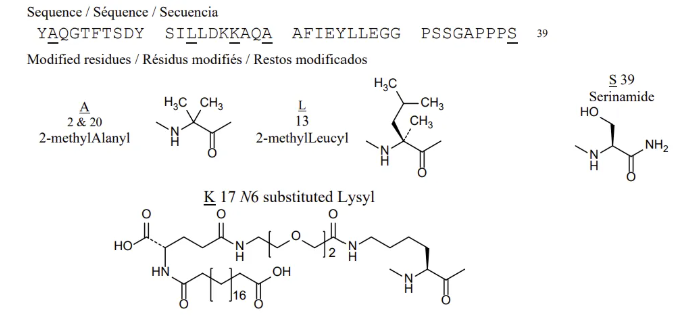
Structurally, the molecule is engineered from a modified GIP peptide backbone with the addition of a C20 fatty diacid chain, enabling once-weekly dosing.
Industry experts widely consider triple agonists as a next-generation direction in metabolic disease pharmacotherapy beyond GLP-1–based therapies.
Phase II Data Showed Weight Loss Exceeding 24%
In Phase II results presented at the 2023 American Diabetes Association (ADA) Scientific Sessions, Retatrutide demonstrated strong weight reduction effects over 48 weeks:
- 17.1% mean weight loss in the 4 mg group
- 22.8% in the 8 mg group
- 24.2% in the 12 mg group
By comparison, placebo-treated participants experienced approximately 2.1% weight loss.
Additional metabolic improvements were observed, including:
- Blood pressure reduction
- Lipid profile improvement
- Reduction in liver fat content
In participants with suspected non-alcoholic steatohepatitis (NASH), liver fat reduction reached up to 82.4% in some cases.
These findings further supported the expansion of Retatrutide into obesity, metabolic dysfunction–associated steatotic liver disease, sleep apnea, and osteoarthritis.
Phase III Study Met Primary Endpoints
The TRANSCEND-T2D-1 study is a randomized, double-blind, placebo-controlled Phase III clinical trial evaluating the efficacy and safety of Retatrutide in adults with type 2 diabetes inadequately controlled by diet and exercise alone. The average disease duration among participants was approximately 2.5 years.
According to Lilly’s announcement, after 40 weeks of treatment:
- HbA1c was reduced by up to approximately 2.0% in the Retatrutide group
- Mean weight loss reached up to 16.8%
- Average weight reduction was approximately 36.6 pounds (16.6 kg)
The study also noted that weight reduction continued toward the end of the treatment period, without a clear plateau.
Kenneth Custer, Executive Vice President and President of Cardiometabolic Health at Lilly, stated that many patients with type 2 diabetes face dual challenges in managing both glycemic control and body weight, and Retatrutide was designed to address both simultaneously.
Osteoarthritis Data Attract Increasing Attention
As of late 2025, results from the TRIUMPH-4 study showed that in patients with obesity or overweight and comorbid knee osteoarthritis:
- 26.4% mean weight loss in the 9 mg group over 68 weeks
- 28.7% mean weight loss in the 12 mg group over 68 weeks
Patients also experienced notable improvements in knee pain.
These findings suggest that GLP-1–based therapies may extend beyond metabolic control into broader obesity-related chronic disease management.
Safety Profile Remains Primarily Gastrointestinal
Current clinical data indicate that the safety profile of Retatrutide is consistent with that of existing GLP-1 receptor–based therapies.
The most commonly reported adverse events include:
- Nausea
- Vomiting
- Diarrhea
- Reduced appetite
Most events were mild to moderate in severity.
No new major safety signals have been identified in publicly available data to date, and no significant changes in sex hormone levels have been reported. However, long-term cardiovascular and metabolic safety outcomes still require further validation from ongoing Phase III studies.
Multiple Phase III Programs Ongoing
Retatrutide is currently being evaluated in multiple ongoing Phase III clinical programs across several indications, including:
- Obesity
- Type 2 diabetes
- MASH/NASH
- Cardiovascular disease
- Obstructive sleep apnea
- Osteoarthritis
Several studies are expected to reach primary endpoints between 2026 and 2027.
As competition in the GLP-1 market intensifies, Retatrutide is widely viewed as a potential key driver in the transition toward a “triple agonist era” in metabolic disease therapy.
Conclusion
As GLP-1–based therapies evolve from single-target to dual- and triple-target mechanisms, the global metabolic disease treatment landscape is entering a new phase of competition and innovation. From semaglutide to tirzepatide, and now to Retatrutide, next-generation multi-agonist therapies are demonstrating increasingly powerful effects not only in weight reduction but also in broader metabolic and chronic disease management, including type 2 diabetes, fatty liver disease, cardiovascular conditions, sleep apnea, and osteoarthritis.
Current Phase III data suggest that Retatrutide shows strong efficacy in improving HbA1c, body weight management, and key metabolic parameters, further accelerating global interest in the emerging “triple agonist era.” As additional Phase III results and long-term safety data become available, multi-agonist therapies may play an increasingly important role in the future of metabolic disease treatment.
As an organization dedicated to tracking global innovation in pharmaceuticals and metabolic disease research, DengYueMed will continue to monitor developments in GLP-1 therapies, multi-agonist drugs, long-acting formulations, and next-generation metabolic treatment technologies, providing updated insights and industry perspectives for global partners and stakeholders.
Related Posts
- Compliance Upgrades in Cross-Border Pharmaceutical Trade
- Profits from Weight-Loss Drugs Fuel a Growing Gray Market: How Can Global Pharmaceutical Regulation Achieve Long-Term Governance?
- Eli Lilly’s Retatrutide Phase 3 Data Shocks the Market: Behind the 30% Weight Loss, the Peptide API Supply Chain Emerges as a New Hotspot